Key insights:
- 24-hour trading is a possibility with tokenized stocks. With tokenized stocks, the trading opportunities are extended to be open 24 hours a day.
- The benefits of blockchain settlement could include a decrease in trading friction and costs.
- Regulatory uncertainty could slow down institutional adoption.
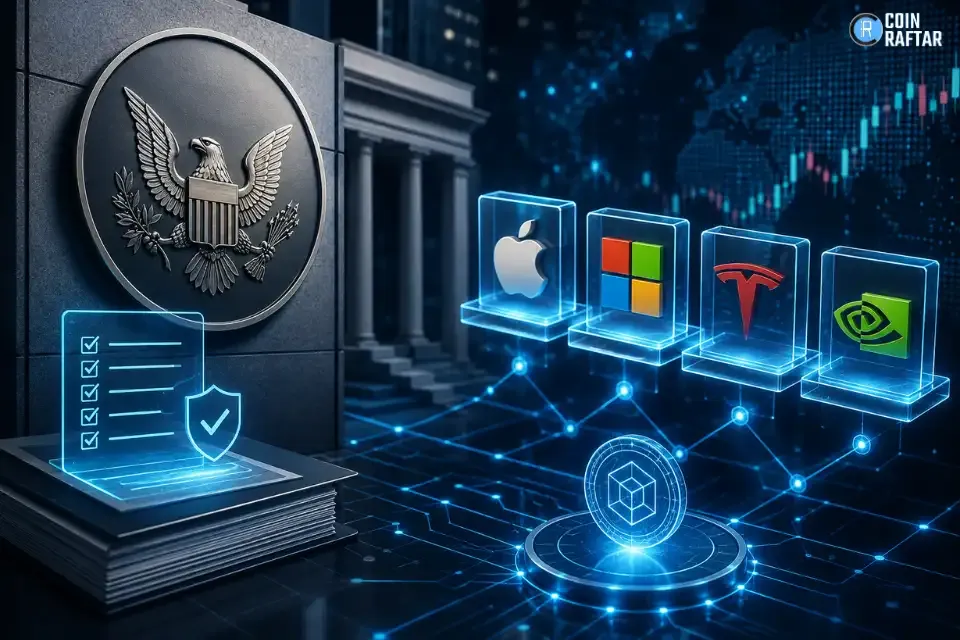
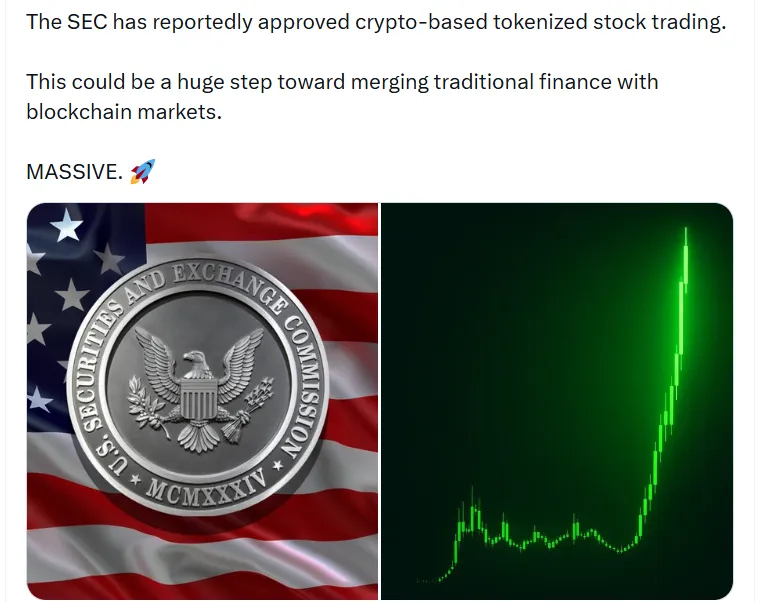
SEC is preparing a new regulatory framework that could allow tokenized versions of publicly traded stocks to trade on blockchain-based platforms. The proposal marks one of the biggest steps toward integrating traditional equities with crypto infrastructure in the United States.
The planned framework includes an “innovation exemption” that would allow selected platforms to offer tokenized securities without full broker-dealer registration during a limited testing period. The initiative reflects growing regulatory support for blockchain-based financial products under the current administration.
New pathway opens for blockchain-based equities
The proposed exemption would create a controlled environment for trading digital representations of stocks. These blockchain-based tokens would mirror the value of publicly traded companies while operating on crypto networks.
Reports indicate the framework could run as a regulatory sandbox lasting between 12 and 36 months. Participating platforms would still face disclosure rules, reporting requirements, and trading limits.
The policy could allow crypto-native companies to offer tokenized exposure to major firms such as Apple, Amazon, and Nvidia.The tokens can be issued by third parties without permission of the underlying public companies in some instances.
Supporters say that the building would cut down the time for settling and the trading costs. It might also extend the market by fractional ownership and by continuous trading.
Highlights of the proposal
- Some companies might be granted temporary exemptions.
- The trading hours may be extended beyond the normal trading hours.
- Digital shares don’t necessarily have voting and dividend rights.
- Issues about investor protection arise.
The proposal has sparked worries from both the market participants and regulators.
Multiple tokenized shares of a given stock might lead to confusion among investors, critics say. According to the reports, traditional exchanges and financial institutions had raised concerns with regulators, citing custody concerns, anti-money laundering compliance and market fragmentation.
Certain tokens can reflect the value of stocks but not actually be the legal title to the stock. If these tokens are issued, then investors may not be entitled to dividends or any voting rights unless the platforms choose to give them to the investors.
SEC officials reiterate that the rules for federal securities will still apply to tokenized securities.The exemption would provide temporary regulatory flexibility instead of removing securities obligations. Commissioner Hester Peirce has reportedly supported the initiative, while some agency officials remain cautious about the structure and its long-term effects.
Broader crypto agenda gains momentum
The framework forms part of a wider digital asset strategy under “Project Crypto,” launched to strengthen the country’s role in blockchain innovation.
Recent actions already signaled growing institutional acceptance of tokenized finance. Nasdaq received approval for tokenized equity rules in March 2026, while the New York Stock Exchange secured similar approval in April.
The NYSE later partnered with OKX to develop a blockchain-based trading and settlement platform capable of operating around the clock.The Depository Trust and Clearing Corporation (DTCC) also received the green light for the tokenization of some assets before the production planned later this year.
The advancement indicates the regulators’ evolving focus on digital assets alongside the need for modernisation of the financial infrastructure.
Analyzes the impact on the crypto industry and the traditional financial sector
In stock tokenization, the industry believes that the way investors are accessing stocks will be changed forever. The building might be interesting to retail investors and institutional investors who need more agile and quicker trading platforms.
With tokenized equities being introduced as a viable asset class for lending, multiple decentralized finance platforms could be given a chance.
The tokenized asset space is expected to expand from $2 trillion to $10 trillion by 2030, according to analysts. Despite those projections, tokenized stocks remain a small segment of the broader real-world asset market.
Data from RWA.xyz shows tokenized equities currently represent roughly 4.3% of distributed total value locked in tokenized assets. The proposal also strengthens the administration’s broader push toward digital asset expansion. Regulators have increased engagement with crypto firms and market participants throughout the past year.
Industry response reflects growing competition
Market observers believe the framework could accelerate global competition in tokenized finance. Some analysts argue the economic benefits of blockchain-based markets are becoming difficult for major economies to ignore.
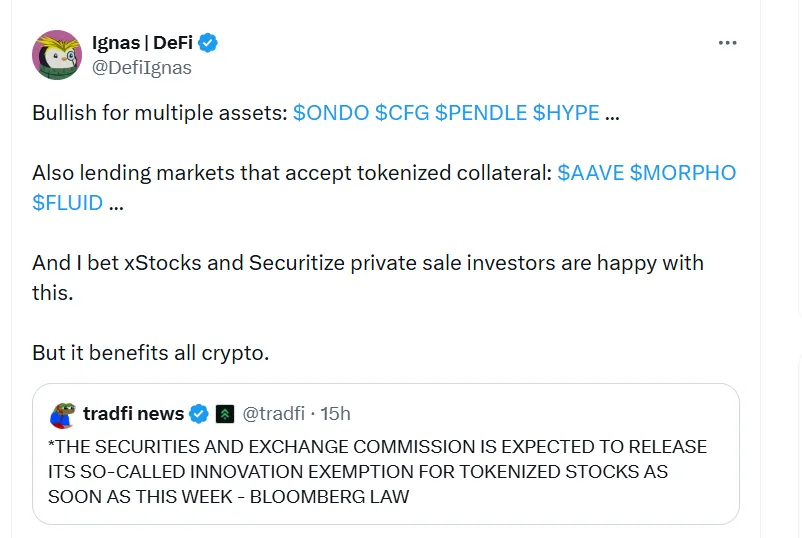
In fact, crypto companies have already been experimenting with tokenized equity products that are not in the U.S., but due to regulatory uncertainty, not many of those products have been widely adopted. The proposed exemption could offer better operating parameters for new companies that want to join the market.
Meanwhile, there are worries regarding the competition from traditional exchanges if they lose market share to decentralized exchanges. Whether tokenized equities will be experimental products or a significant expansion of global financial markets will depend on the final policy framework.