Cryptocurrencies are moving beyond payments and trading and venturing into new, emerging technologies that connect blockchain with the physical world.
DePIN (Decentralized Physical Infrastructure Network) is one of the emerging areas in 2026 that uses blockchain technology integrated with physical infrastructure such as wireless networks, cloud storage, data centers, and maps.
The concept behind DePIN does not operate on the traditional infrastructure model, in which infrastructure components are owned by companies; it operates under global ownership by multiple parties. Individuals will contribute their inputs, such as bandwidth, storage, GPUs, and maps. The blockchain will reward individuals based on how they use and consume their inputs within the network, in the form of tokens.
How Does the DePIN Network Operate?
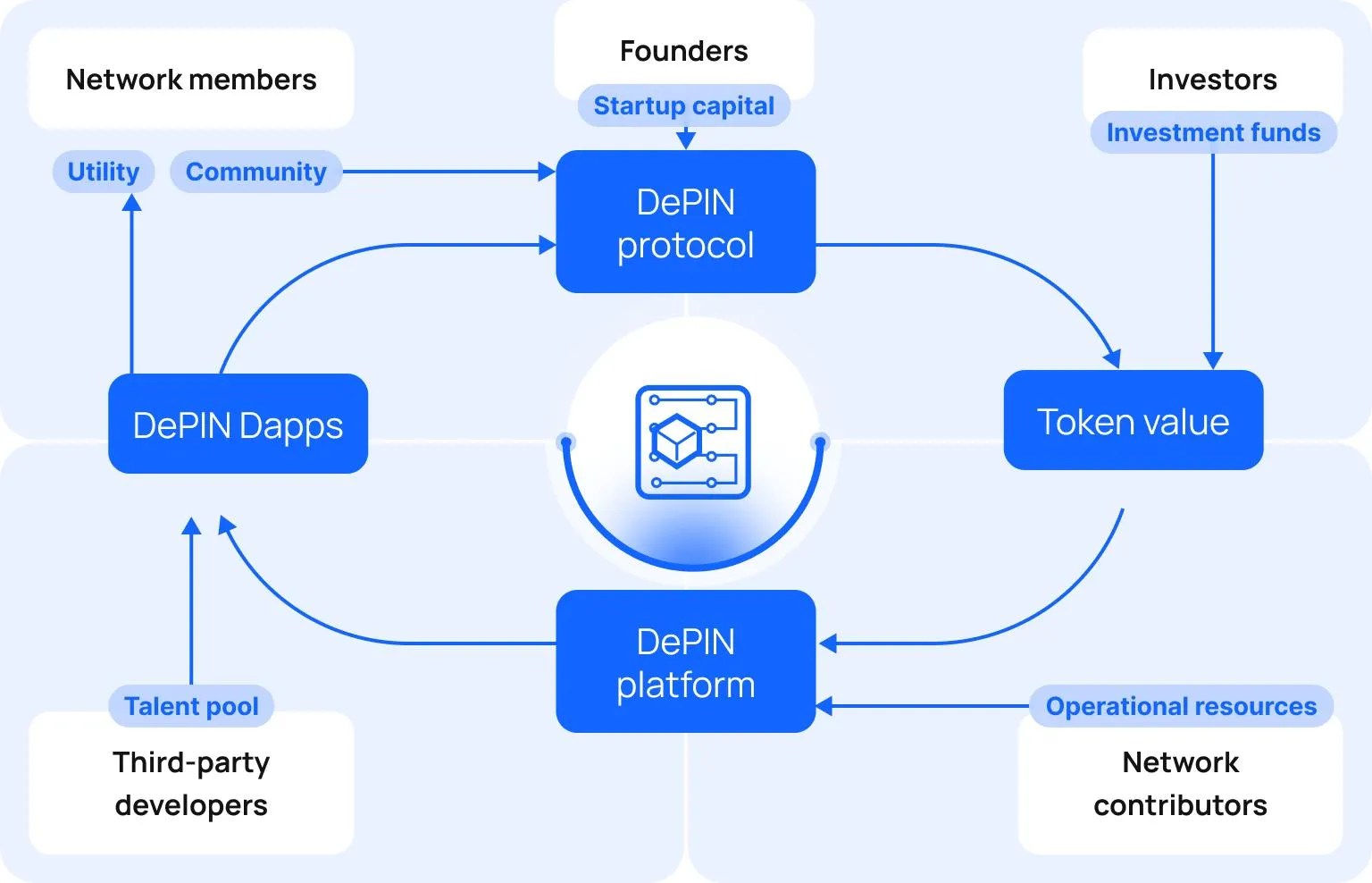
There is a systematic working mechanism involved in DePINs. First, people need to connect their hardware, such as routers, hard drives, and even GPUs, to the network.
Source: aetsoft
After this, blockchain technology ensures that such devices remain live and up to date. The contributor earns tokens based on several criteria, such as uptime and demand.
This procedure ensures that transactions are logged on the blockchain, thereby making the resource distribution transparent. Meanwhile, decentralized access allows utilization of the infrastructure without dependence on a single governing body.
Factors That Influence the Emergence of DePIN in 2026
Factors that will influence the emergence of DePIN in 2026 include the rising demand for computational power in artificial intelligence. Artificial intelligence requires substantial computational power; hence, there is growing interest in GPU-based decentralized infrastructure compared to cloud-based systems.
Further, enterprises are studying infrastructure models that address the threats associated with centralized infrastructure. It is risky due to potential downtime, a lack of control over data, censorship, and associated costs.
The idea of decentralized infrastructure network consists of applying decentralization to infrastructure, which means that it cannot be hosted in one location. Incentive programs for participation will also create more growth opportunities, as users can provide storage capacity or bandwidth and be rewarded in turn through blockchain platforms.
Key Infrastructure Sectors in DePIN
There are different kinds of infrastructure available within the DePIN framework, each varying depending on the purpose for which it is used. For example, decentralized storage infrastructure allows users to allocate storage space.
A third segment is wireless infrastructures, which entails people using hardware to extend their network coverage. In this case, Helium falls under the same category since it uses user-installed hotspots to create its networks.
Further examples of blockchain application segments include the use of decentralized computing networks to share computing power (GPUs and CPUs), and maps and sensors that reward users based on the data they provide about their physical world.
Difference Between DePIN and Regular Infrastructure
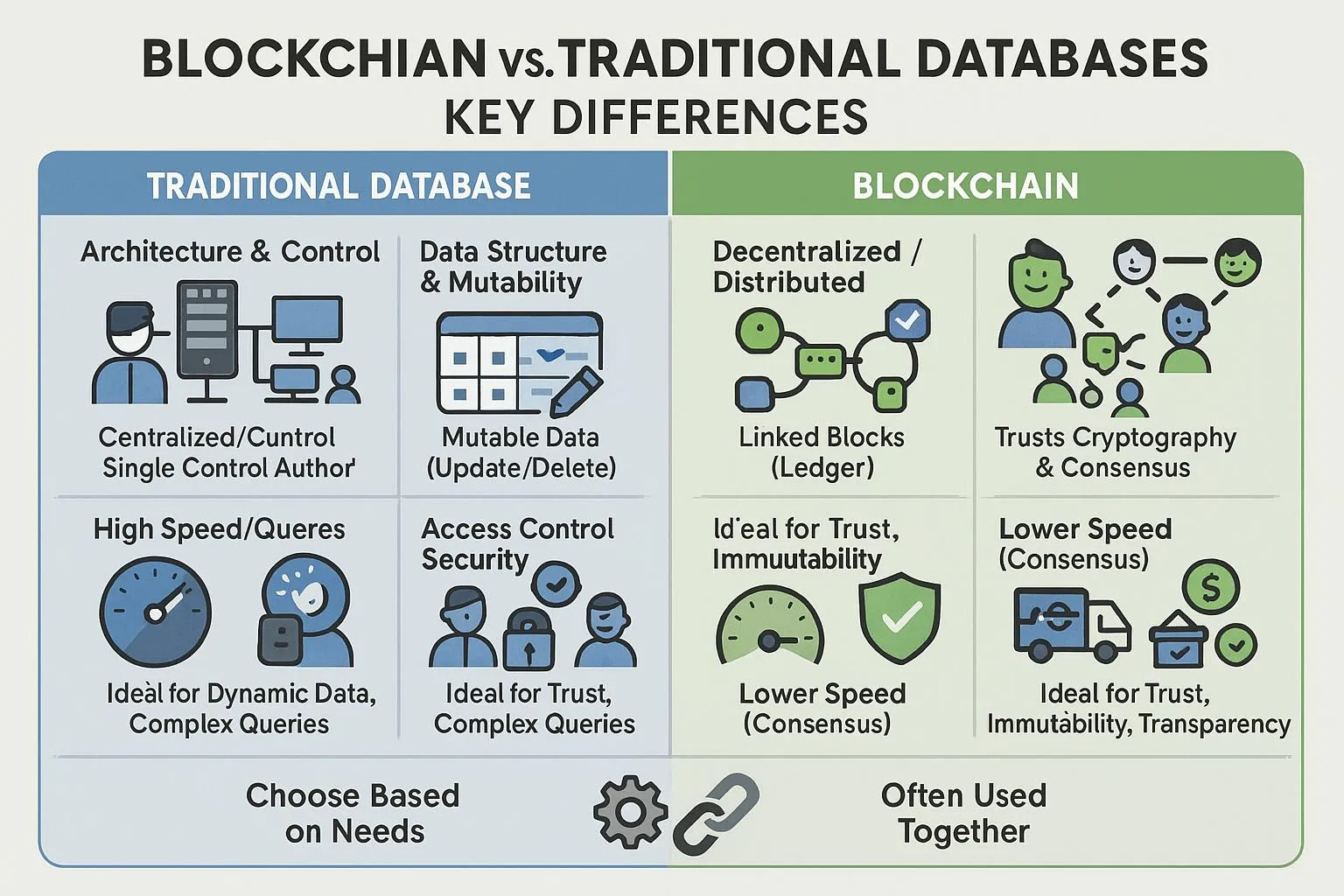
The DePIN model differs from regular infrastructure systems in several ways. There is a decentralized ownership system in which individuals hold rights to the network. Expansion does not follow the same pattern as regular capital investments.
Source: Meduim
Revenue sharing also changes, as the company no longer receives all the profits; instead, token rewards are provided to participants based on their level of contribution. The technology allows for access through participation across multiple locations without any prior planning.
Risks and Considerations for Evaluation
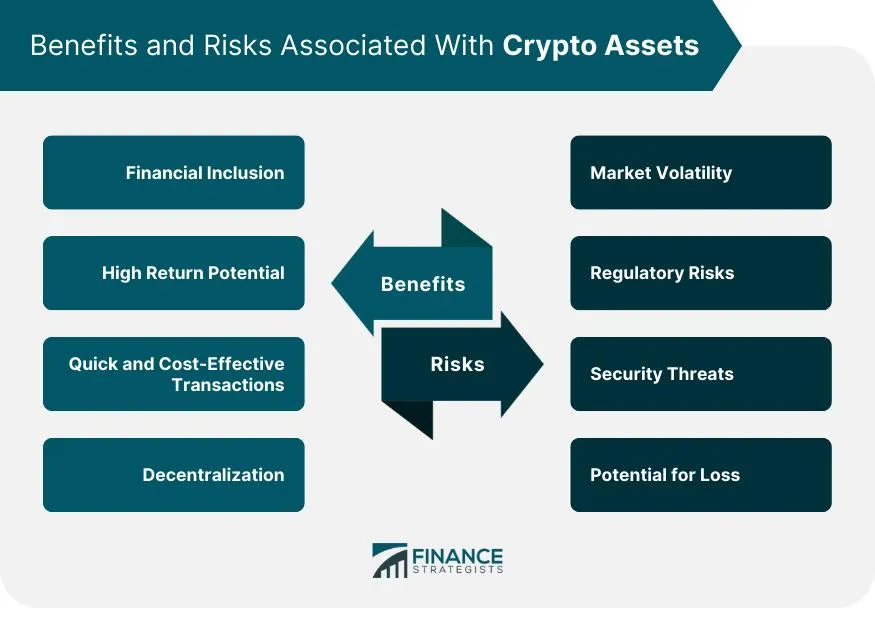
Even though DePIN will continue to advance in 2026, the industry comes with its fair share of risks. Tokens issued may be based on market conditions, and hence, the process could be highly volatile. Additionally, participating in the network may require buying extra equipment.
Source: FinanceStrategists
On a similar note, regulatory actions will be relevant moving forward, as government officials continue to develop systems for decentralized networks. There is also the matter of ensuring sustainable demand for the network itself.
To measure participation, the following criteria are monitored: network utilization, user adoption, token systems, and developer participation. There are several analytical platforms, such as Dune Analytics and Glassnode, that provide information needed to monitor the ecosystem activity.
Conclusion
The introduction of DePIN technology in 2026 represents an attempt to develop blockchain networks that connect to the real world through decentralization, tokenization, and transaction validation.
FAG
What is DePIN?
DePIN or Decentralized Physical Infrastructure Networks means blockchain protocols that utilize the hardware owned by the community like storage, connectivity, and computing power.
How does DePIN function?
Physical resources are supplied by community members, and transactions are validated using blockchain technology; tokens are issued based on performance.
What will be the reasons for the expansion of DePIN in 2026?
DePIN’s expansion hinges on the growing demand for advanced computational capabilities from artificial intelligence (AI), along with increased interest in blockchain-based infrastructure.
Could you give some DePIN initiatives?
They include Filecoin and Arweave for distributed storage and Helium for wireless networking.