
“Crypto real yield” refers to an investment strategy that generates returns from actual protocol earnings rather than token minting.
The model measures income derived from decentralized finance activity, including trading fees, borrowing costs, and other usage-based revenue streams. These earnings are then distributed to participants such as liquidity providers, lenders, or token holders.
This phenomenon has attracted significant interest as market stakeholders assess the viability of past reward programs that relied on newly minted tokens for operations. Here, profits arise out of measurable activity within the blockchain network.
Definition of Real Returns in Cryptocurrency
The real returns for cryptocurrencies depend on three main factors, which relate to the operations of the blockchain protocol:
- Earnings depend on users’ activities, such as trading and lending.
- Dividends are distributed among the stakeholders based on their contributions.
- Profits depend on continuous demand, not on token issuance.
The older generation of decentralized finance protocols was heavily invested in minting tokens to earn APYs. As a result of the increased token creation, the value of their rewards was depreciated.
On the other hand, the real yield is free of reliance on the inflationary mechanism, since revenue is generated from platform use.
Crypto Real Yield Mechanism Across Protocols
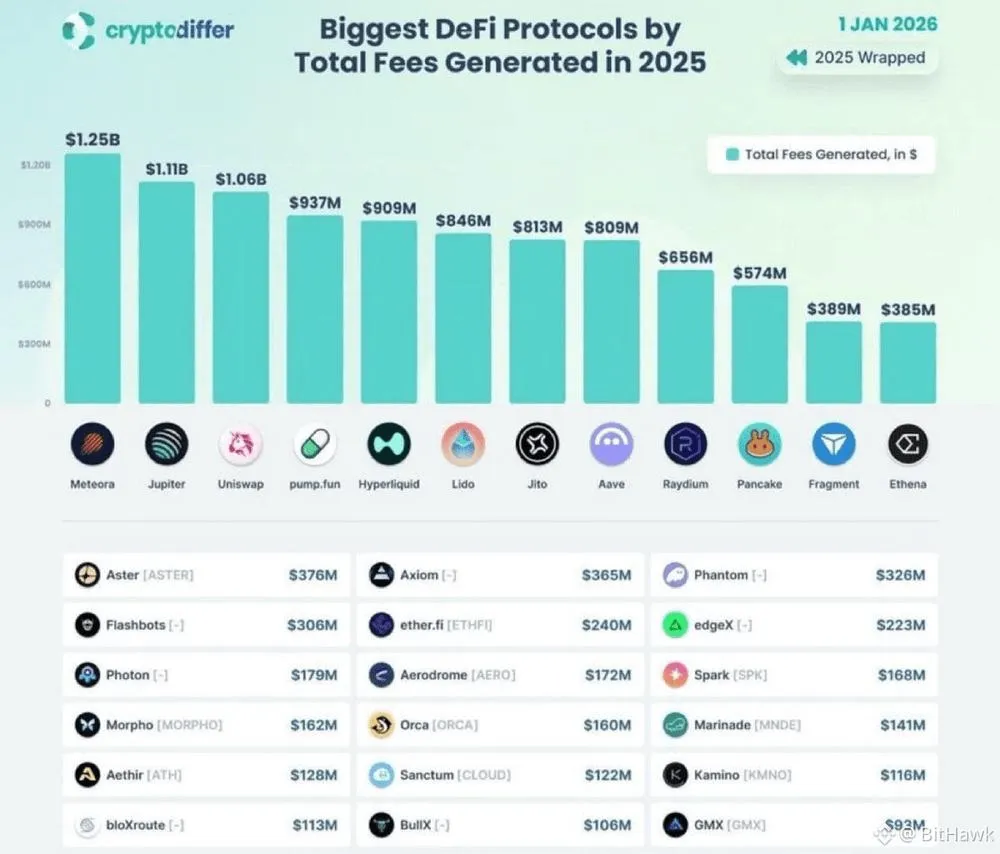
The crypto real yield mechanism works through direct fee streams on decentralized platforms. As users make transactions or use protocols, they incur fees or interest charges that are distributed according to predetermined methods.
This involves:
- Dexes earn revenue from fees, which is shared among liquidity providers.
- Interest payments made through borrowings are split among the lenders.
- Some protocols share some portion of their revenue with token holders.
Source: Binance
Returns depend on activities that can be measured. More activities lead to higher revenues, while fewer activities reduce the distribution of returns. It is this kind of structure that ensures a clear relationship between use and yield.
Difference Between Real Yield and Traditional Yield Farming
There is a significant difference between real yield and traditional yield farming in how returns are obtained. In the process of yield farming, new tokens are issued to farmers to earn money, thereby devaluing the tokens.
For the cryptocurrency real yield mechanism, it is possible to bypass such dependency using token earnings. Structural comparisons illustrate the following:
- Real Yield: Revenue from the protocol
- Yield Farming: Rewards from tokens
- Dilution is less likely in revenue-based models
- Returns vary according to usage
This difference represents a structural change in the way Decentralized Finance (DeFi) platforms earn and distribute profits.
Cryptocurrency Risks Associated with Real Yield
Despite the change in the origin of gains, there are still certain risks associated with the protocol itself:
- Market risks are possible due to decreased activity, leading to reduced income.
- Smart contract risks pose risks to investments due to potential technical issues.
- Liquidity risks can be a barrier to profits.
- Regulatory risks may affect protocol operations.
These risks show that, even though inflation-related risks have decreased, other risks related to protocol and market activity remain.
Conclusion
Real yield in crypto establishes a framework where returns are tied to measurable financial activity within decentralized finance protocols.
FAQ
What is the meaning of real yield in cryptocurrencies?
It refers to returns generated from protocol revenue such as fees and interest rather than token emissions.
What is the difference between real yields and yield farming?
Real yield uses actual earnings while yield farming relies on newly issued tokens.
What determines real yield returns?
Returns depend on platform usage including trading volume and borrowing demand.
Are there risks in real yield models?
Yes, risks include reduced activity, smart contract issues, liquidity constraints, and regulatory changes.