
Earning money from crypto is not restricted to buying and holding investments, hoping that the price will increase. In 2026, many cryptocurrency users use their funds in decentralized systems that earn them money over time
Rather than storing cryptocurrencies in a wallet, this system allows users to lend out their cryptocurrencies to make money by participating in activities such as borrowing, trading, or contributing to blockchain networks.
The users remain fully in control of their investments when using these platforms. There is no need for a central authority, as all processes are managed by the code.
As the industry expands, some of the most readily available sources of passive income are staking, lending, yield farming, and liquidity mining. These techniques involve a straightforward formula in which the investor commits their crypto assets and earns rewards based on how they use the funds within the ecosystem.
What Defines DeFi Passive Income
DeFi passive income is the earnings one earns when their crypto is used on decentralized platforms, rather than earning nothing while holding crypto in an idle state.
The implementation of these strategies relies on smart contracts that facilitate withdrawals, deposits, and rewards.
The returns will be generated based on various factors, including platform activity levels. The lack of intermediaries ensures that the outcome depends solely on the protocol.
Core Methods Used in DeFi Passive Income
Several structured approaches define how DeFi passive income is generated in decentralized markets.
Staking
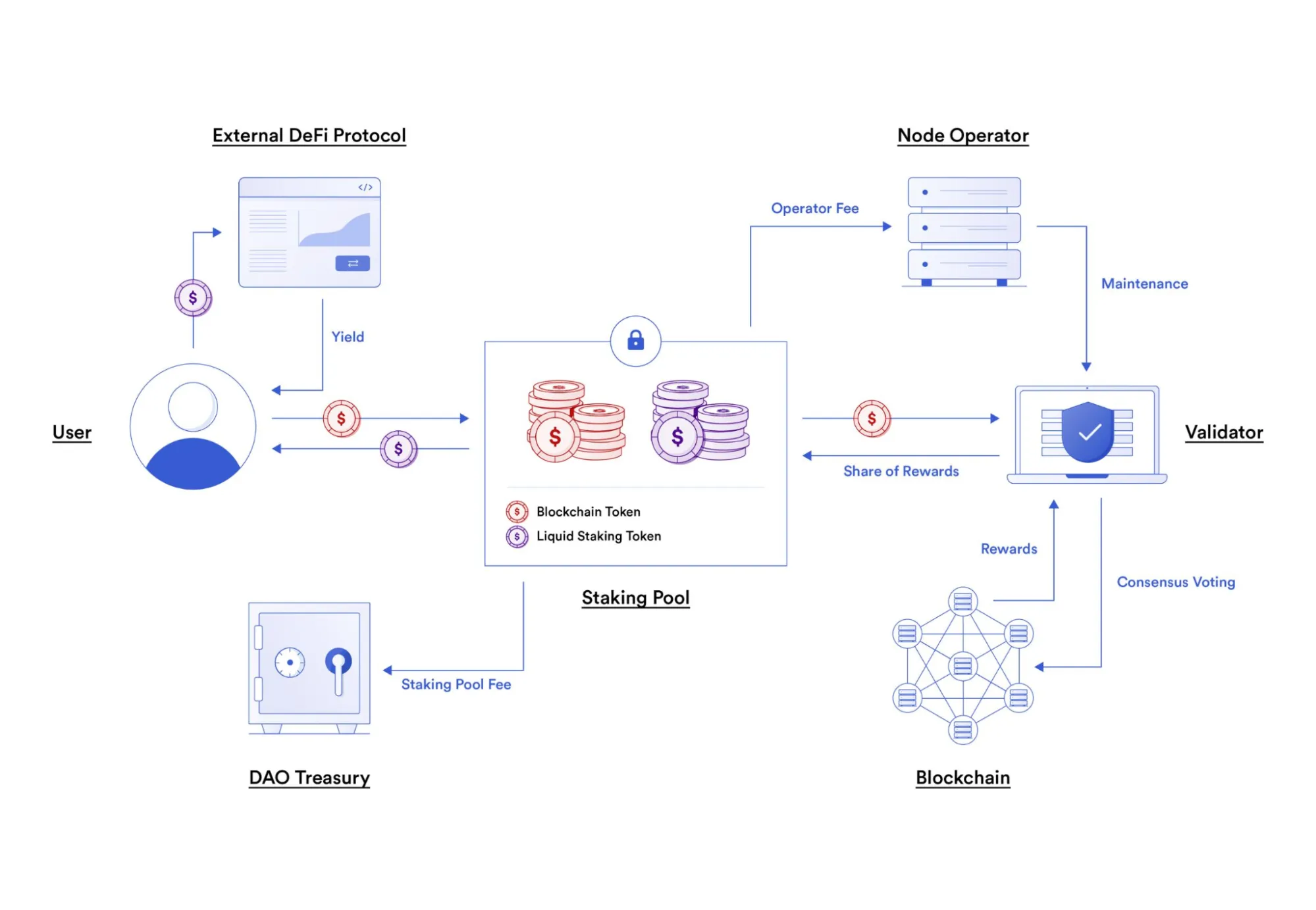
With staking, the cryptocurrency is locked up in order to participate in various network transactions and validations. The more cryptocurrency one stakes, the higher the yield one earns.
 Source: blog.chain
Ethereum still dominates for staking, allowing participants to remain liquid while earning rewards.
Yield Farming
In yield farming, assets are deposited into liquidity pools, where users can earn fees and token rewards. The level of returns will be dependent on pool actions and rewards.
Crypto Lending
With crypto lending, users lock up assets on decentralized lending platforms to earn interest on borrowed funds. One can achieve this using platforms such as Aave.
Liquidity Providing
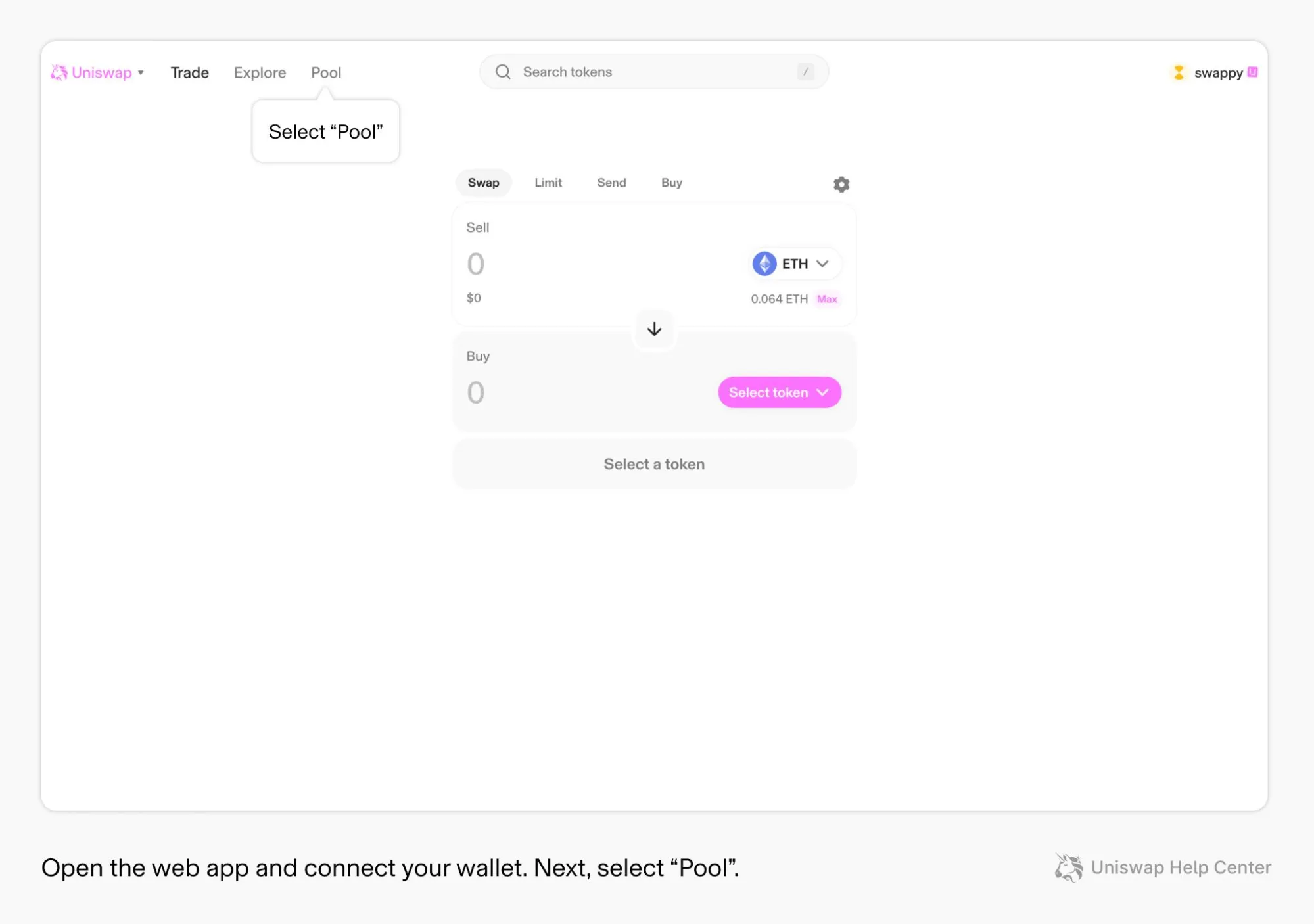
Token pairs are provided to decentralized exchanges for trading purposes. As a result, they earn a share of the trading fee.
Source: Uniswap
Uniswap and Curve Finance are popular protocols that can be utilized for this purpose. On the other hand, fluctuations in token prices can cause impermanent loss.
Platforms for DeFi Passive Income
Existing protocols still offer ways to generate passive income in DeFi.
Aave is still operational in the lending market, whereas Uniswap provides liquidity for various token pairs.
Lido Finance offers staking with liquidity, while Curve Finance offers pools for low-volatility tokens.
They run on smart contracts that facilitate transactions without centralized control, ensuring rewards are allocated transparently.
Risks Related to DeFi Passive Income
DeFi passive income creates certain risks related to the decentralized model.
- The first is associated with smart contract bugs and vulnerabilities that may result in financial losses.
- Impermanent loss can occur when the initial price of tokens differs from their current price.
- Volatility may also influence returns, causing fluctuations in asset prices that result in earnings reductions or even losses.
- Finally, the protocol may fail due to poor design or liquidity issues.
How to Get Started With Earning DeFi Passive Income
To participate in earning DeFi passive income, most people start by creating a non-custodial wallet that lets them keep their private keys.
Once connected, the individual chooses an earning strategy that might include staking, lending, or providing liquidity.
Earnings accumulate over time based on the network’s performance.
Influencing Factors of DeFi Passive Income Returns
DeFi passive income earnings are subject to multiple quantifiable factors. The annual percentage yield varies with the changes in supply and demand for each protocol.
Higher borrowing demand or trading activity may increase returns, while reduced participation may lower them.
The rise and fall of token prices influence income generated from yield farming and liquidity provisioning.
Additional factors that influence income generation from decentralized platforms include platform activity, liquidity, and market conditions.
Conclusion
Generating passive income with DeFi in 2026 involves staking, lending, yield farming, and liquidity provision. Rewards management is handled by smart contracts, while users retain control.
FAQ
What is DeFi passive income?
DeFi passive income involves making money through deploying your cryptocurrencies on decentralized finance networks.
Is DeFi passive income safe?
The return depends on the market environment, trading volume, and fluctuations in asset prices.
Which of the above carries the lowest amount of risk?
Lending using stablecoins is more common because they carry lower risk of price fluctuations than other methods.






Hiya, I am really glad I’ve found this info. Today bloggers publish only about gossips and web and this is actually frustrating. A good web site with interesting content, that’s what I need. Thank you for keeping this site, I will be visiting it. Do you do newsletters? Cant find it.