Creation of cryptocurrencies in 2026 has grown, with various ventures, games, and virtual communities issuing their own to sustain their communities. In particular, startups, gaming communities, and internet-based organisations have been introducing digital coins for various purposes, including powering up their network and rewarding users.
Nevertheless, according to CoinGecko, thousands of cryptocurrencies already operate on various blockchains, and there will be even more in the future. Thus, competition has increased significantly, making preparation essential for success.
Cryptocurrency Creation Process
First, it is necessary to understand the difference between coins and tokens. Coins operate independently within blockchains; therefore, a whole network must be created. Bitcoin and Ethereum are examples of such cryptocurrencies since they have their own blockchain.
However, tokens use an existing blockchain, so developers can create assets without having to build their own blockchain. This is why many projects entering the cryptocurrency space in 2026 tend to start with tokens.
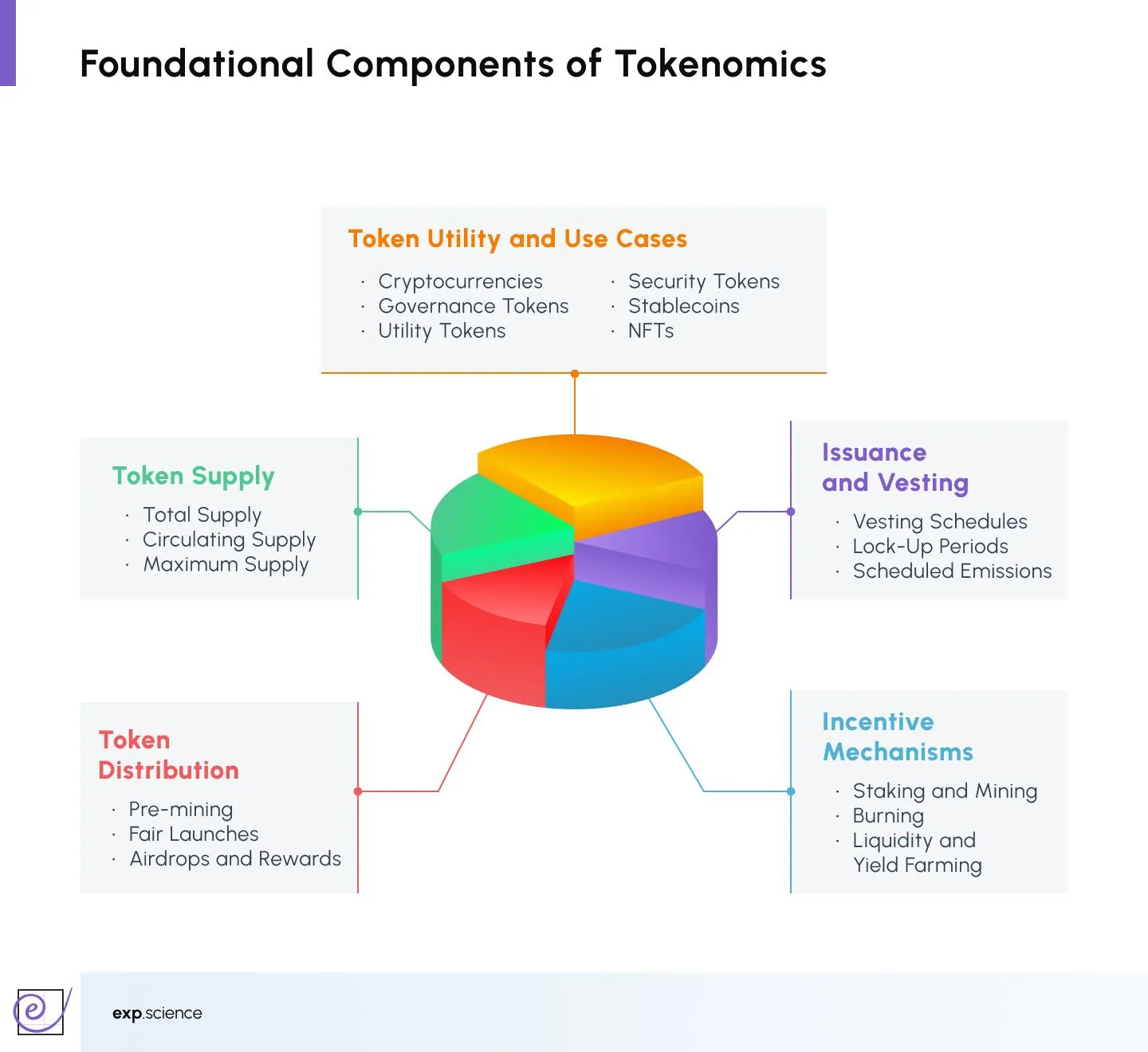
Tokenomics Source: exp
Use cases that determine the Development of Cryptocurrencies
The purpose of the token in a larger system is identified before the development process starts. Tokens may be used for governance, making payments, and interacting with the dApp. This is exemplified by Render, where users in need of GPU compute power meet providers of such compute power services.
Based on the statistics provided by CoinMarketCap, the adoption rate grew alongside the need for computing linked to AI. The distribution of tokens, their intended users, and future demand are determined before project launch.
Blockchain Network Determines Speed, Cost, and Scalability
Depending on the type of blockchain network chosen, transaction rates, costs, and scalability will differ. Some of the blockchain networks used for cryptocurrency development in 2026 include Ethereum, BNB Chain, Solana, and Polygon.
Ethereum is best known for its use in many decentralised finance applications, while BNB Chain is preferred for its lower costs. Solana has gained popularity for its fast transaction speeds.
Moreover, Bonk had a high trade volume in this network due to low fees and fast transaction times. Depending on parameters such as cost and technology, among others, one can make a well-informed decision.
Smart Contracts and Token Standards
The smart contract determines how the cryptocurrency works. The supply management of the currency, transfers, and other functionalities, such as staking and burning, are all included in the smart contracts.
In Ethereum, most tokens are created using the ERC-20 standard, meaning they work with all wallets and exchanges. The language developers use to write smart contracts is called Solidity. When coding skills are absent, one can use a token creation platform to deploy the coins.
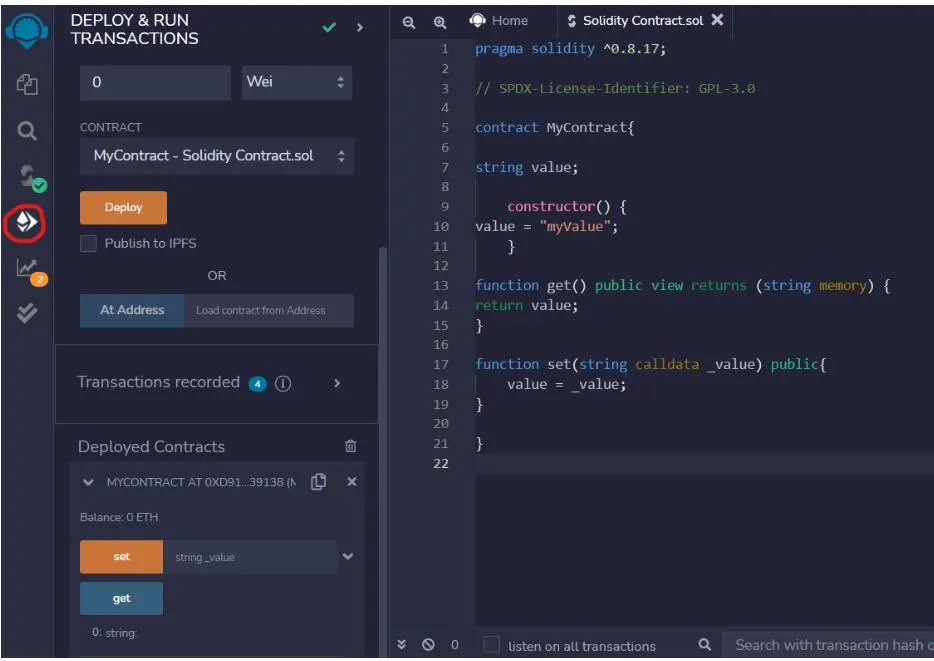
Solidity development Source: Rejolut
The supply structure will be an important component of cryptocurrency mining. Cryptocurrencies have a fixed supply, while other cryptocurrencies have their supply issued gradually. For instance, the maximum supply amount in Bitcoin is 21 million coins
Other cryptocurrencies distribute their coins to various parties involved in the project, including developers, community members, marketing teams, and liquidity providers. Before release, projects will test their systems on dedicated test blockchains. This way, they can run through various transactions without spending real money.
Following deployment, tokens will need to be tradable via liquidity pools on decentralised exchanges such as Uniswap or PancakeSwap. These pools enable decentralised sellers to buy and sell tokens freely.
Meanwhile, project GS set up communication channels on platforms such as X, Telegram, and Discord. Early adoption and trading volumes are affected by community activity at this stage.
Post-Launch Development
After launch, projects enter a maintenance phase that involves updates, partnerships, and user engagement.
According to CoinMarketCap data, not every cryptocurrency is actively used even after its initial implementation due to a lack of follow-up development.
Constant improvements, extended integrations and open communication with users characterise continuous activity.
What the Data Reveals of Token Survival.
Although the number of cryptocurrencies is expected to grow in 2026, many tokens become inactive over time.
Statistics reveal that inactivity is a frequent consequence of a cessation or reduced usefulness of continued development. This is a trend that underlines the need to plan in the long term, such as security, infrastructure, and user engagement, and not just the first deployment.
Important Considerations for New Projects.
Projects, usually before the launch of a cryptocurrency, are concerned with:
- A clear definition of a use case.
- Choosing a suitable blockchain network.
- Securing smart contracts.
- Development beyond creation
The steps outlined above constitute the basic process for creating cryptocurrencies in 2026.