The integration of digital assets into the conventional housing finance market is becoming more common as lenders seek innovative means of integrating cryptocurrencies into their mortgage services. In such scenarios, the borrower may use his/her digital assets in making mortgage applications or accessing liquidity for property purchases without necessarily selling the assets.
With the increasing popularity of digital currencies in the financial sector, many mortgage lending programs that use digital currencies such as Bitcoin have been designed by various lending institutions and cryptocurrency platforms. These types of schemes include qualification mortgage appraisal, crypto-backed mortgages, and hybrid mortgage schemes that combine real estate and cryptocurrencies.
In most cases, the borrower pledges the cryptocurrency as collateral without having to convert it into cash. This can be achieved only if the conditions for the mortgage scheme are fulfilled. However, there are some inherent risks associated with crypto-backed mortgages.
How Crypto-Backed Mortgages Work
There are two main types of crypto-backed mortgage structures. The first structure involves using digital currency to make the borrower eligible for an ordinary mortgage loan. Some non-qualified mortgage lenders evaluate the borrower’s digital currency portfolio as part of reserve or asset evaluation during the loan approval process.
USDC stablecoins might be valued higher because they are tied to the dollar. On the other hand, highly volatile currencies like Bitcoin BTC and Ethereum ETH would get lower valuations when qualifying.
Even though cryptocurrency improves the financial standing of the individual in this framework, the mortgage is still expressed in U.S. dollars. The individual has to convert some of his or her cryptocurrency funds into fiat currency and provide proof of wallet transfers and banking transactions for regulatory reasons.
The second framework includes the process of taking a loan by pledging one’s cryptocurrency balance to specialized lending platforms. The borrower locks up digital assets into custodial wallets or multisig wallets, and the lender provides fiat currency or stablecoin loans based on the collateral.
In such an arrangement, the loan-to-value ratio usually stands between 40% and 50%. For example, a person with a $200,000 Bitcoin portfolio can receive between $80,000 and $100,000 in loans.
Type of Mortgage Primary Collateral LTV Ratio Major Risks
| Mortgage Structure | Primary Collateral | LTV Ratio | Major Risk |
| Conventional Mortgage | Real estate property | Up to 80% | Interest rate |
| Eligibility for Cryptocurrency | Mortgage Real estate and cryptocurrency | Varies | Asset valuation volatility |
| Cryptocurrency Backed Loan | Bitcoin or Ethereum | 40–50% | Margin calls |
| Hybrid Crypto Mortgage | Real estate and cryptocurrency | Varies | collateral risk |
Some decentralized finance (DeFi) lending platforms issue loans through smart contract lending and not through traditional lending methods. DeFi lending entails certain risks associated with loan liquidations by automated processes and potential software weaknesses.
Why Volatility Remains a Major Issue
Volatility remains one of the major issues surrounding crypto mortgages. Cryptocurrency prices can experience wide swings within a relatively short period of time. The price of Bitcoin, for example, had experienced a decline of over 50% during one of its market cycles.
In case the value of the asset drops below certain thresholds, lenders have the ability to make margin calls, thus requiring additional collateral from the borrower or repayment of part of the loan principal.
In addition, cryptocurrency-backed loan products are also costly in comparison with conventional mortgage options. For the years 2025 and 2026, the interest rate on the loans based on cryptocurrency collateral ranged from mid-single digit to mid-teens depending upon the kind of asset and custody.
Some other costs that may be incurred through the process of borrowing include:
- Fees for origination
- Custody fees
- Legal structuring fees
- Wallet verification fees
- Laws Related to Custody and Regulatory Oversight Continuously Changing
The regulatory framework of crypto-collateralized lending products continues to change in many jurisdictions. It can be affected by the lending rules, custody laws, and digital asset classifications. After the stress incidents occurred in the crypto credit space last year, some lending platforms implemented stricter custody requirements.
These include:
- Segregation of client funds
- Non-rehypothecation agreements
- Third-party custody services
- Multi-signature wallets
Even so, borrowers should assess the security of the collateral and the legal safeguards in case of any disruptions on the platforms.
Potential Risks Involved with Crypto-Collateralized Mortgages
| Risk | Description |
| Volatility Risk | Crypto-collateral could lose value quickly |
| Margin Call Risk | Borrowers would have to provide more collateral |
| Liquidation Risk | platforms would automatically liquidate the collateral |
| Regulatory Risk | There is a possibility of new laws being introduced that will impact the mortgage process |
| Custody Risk | The safety of the assets depends on the security offered by the platforms |
| Interest Rate Risk | High interest rates compared to regular mortgages |
It should also be noted that taxation is an important factor. Borrowing using crypto-assets is not a taxable act in some jurisdictions because the borrower does not sell his or her crypto-assets. However, this may vary depending on the jurisdiction and holding period.
Things to Consider When Leveraging Cryptocurrency
In leveraging cryptocurrency as collateral for mortgages, the borrower tends to consider:
- Risks involved due to volatility of the collateral
- Margin calls
- Custodial arrangements
- Loan-to-value ratios
- Interest rates
- Jurisdictional issues
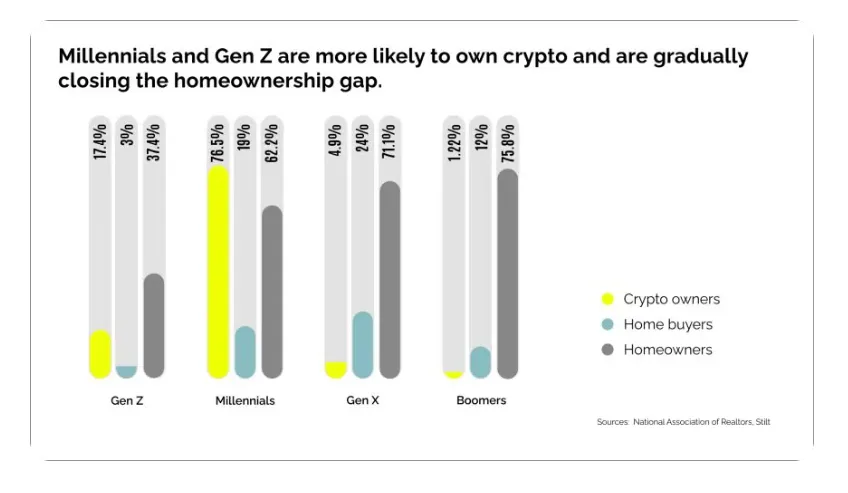 Source: Coinspaid
There are a lot more things that need to be done with regards to mortgage loans using cryptocurrency than what can be seen with traditional mortgages.
Conclusion
It is possible to see how crypto-backed mortgages keep growing in number due to increased integration of cryptocurrencies in the financial world. The existing models allow taking advantage of cryptocurrency to secure loans.
FAQ
Is Bitcoin allowed in mortgage?
Yes. There are some financial institutions that will allow you to use your Bitcoin to get a mortgage loan.
What would happen in case of a sharp fall in the price of Bitcoin?
You may get a margin call or even have to sell your Bitcoins due to the reduced value of your cryptocurrencies.
Are there any tax consequences related to crypto-backed loans?
Taxation depends on the region, since borrowing crypto assets does not imply selling them, which can mean no taxation at all.