

Matching engines have become crucial in facilitating transactions in crypto and even traditional stock exchanges. This technology requires that one scans for orders on any transaction then process them based on their comparison between sell and buy prices. Matching engines have gained popularity in modern cryptocurrencies due to their capacity to accommodate many transactions.
The technology has replaced manual trading techniques that involved telephone connections, broker involvement, and order execution. For cryptocurrencies where orders keep changing, and prices move in just a few seconds, matching has become a necessity.
Once a trade is made on a crypto exchange, the trade details are recorded in the central limit order book (CLOB). CLOB captures all orders placed in buying and selling of cryptocurrencies such as Bitcoin and Tether. The purchasing orders will always be ranked according to their highest bidding price while the selling orders will be ranked according to their lowest ask prices.
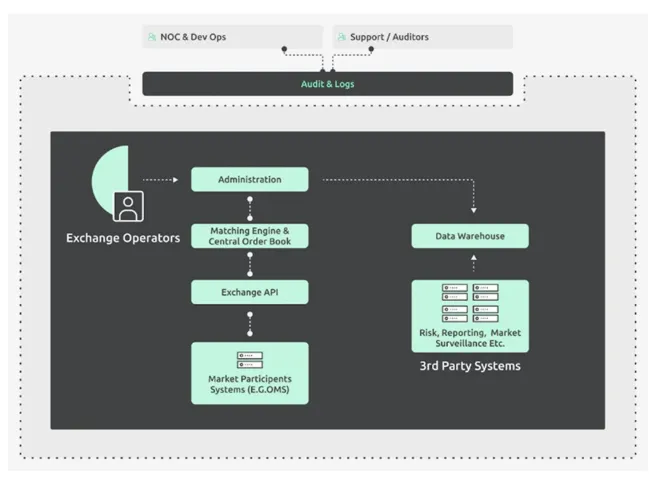
Source: B2 Broker
The matching engine will keep analyzing the CLOB orders book with orders which are complimentary. Once the two orders are found to be compatible price-wise, the transaction is automatically executed.
Matching Engine: How It Works?
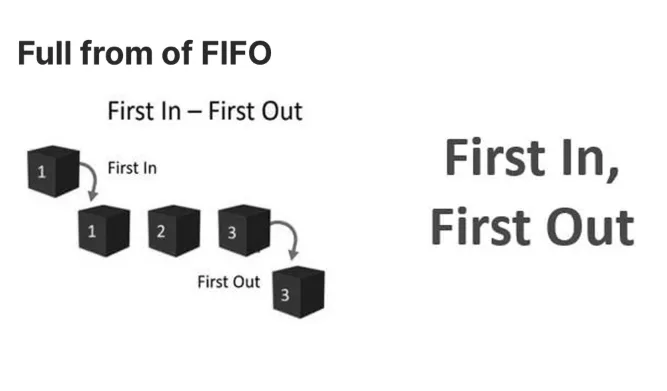
The engine has certain rules for determining which orders to prioritize for processing. Price-time priority is a common strategy and is also called first-in-first-out. As per price-time priority, orders with the best price are given priority. In cases of several orders being of the same price, the order made earliest takes priority in being executed.
In another instance, if one trader buys Bitcoin at $105,000 while another sells Bitcoin at $105,000, the matching engine will automatically identify the overlapping orders and match them.
Partial order matching is possible. Where an order size is too large to be matched immediately against available liquidity, the partial amount of the order will be matched. At the same time, the remainder will remain on the order book until there are enough matching orders.
Algorithms for Matching Engines of Exchanges
Depending on the trading system used, crypto exchanges utilize various matching algorithms. The most popular algorithm is FIFO, as it allows for sorting orders by price and submission date. The popularity of this algorithm derives from its stability and predictability.
Source: B2 Broker
Pro rata allocation models are also used in some exchanges. In the case of pro rata allocation, available liquidity is allocated based on order size rather than execution order. Larger orders are allocated more liquidity than smaller orders, which may be done at the same price levels.
The second strategy used is the TWAP (Time Weighted Average Price) model. This is because the TWAP algorithm is used to split huge orders over time. Such algorithmic designs are meant to facilitate liquidity allocation, trading speeds, and order execution, depending on varying market circumstances.
Centralized and Decentralized Matching Engine Systems
Most crypto exchanges have adopted a centralized matching engine. In such a system, order matching takes place on the centralized server under the control of the crypto exchange owner. Centrally organized matching engines have become popular among most crypto exchanges due to their ability to execute orders quickly during busy periods.
Centralized exchanges such as Binance, Coinbase, and Bybit use centralized technology to run trading services. But in case of decentralized exchanges, there is a unique design of having order execution done through distributed blockchains and smart contracts instead of centralized servers.
In most cases, when an exchange operates under decentralized finance, transparency and direct user custody take precedence over everything else. Two examples of decentralized trading platforms are dYdX and Hyperliquid.
Some exchanges now combine traditional order-book systems with automated market maker liquidity pools. Such hybrid systems enable both order matching and AMM liquidity to facilitate trade execution.
Relevance of Matching Engine Infrastructure
The matching engine influences the efficiency of exchange performance during market volatility. Fast performance allows fast trades and prevents slippage during volatile periods.
A badly-designed matching engine can result to delays in trade, price differences, and even shutdown of the exchange itself. The infrastructure provides for liquidity by ensuring buyers and sellers meet continuously in the market.Increased liquidity is associated with narrower bid-ask spreads and more favorable conditions for order execution.
Moreover, the process of matching orders incorporates standardized rules of order execution. Since all actions are performed automatically by algorithms, traders work under the same order execution rules. Technology is also an important factor in price determination. Prices are continually updated based on order flow into and out of the order book.
Connection Between Matching Engine and Order Book
In an exchange environment, the order book and the matching engine cooperate; however, they play different roles.
The order book contains the trading orders initiated by clients. The matching engine processes these orders and matches appropriate buy and sell orders to execute automatic trades.
In the absence of the order book, the system lacks information about market demand, while the absence of the matching engine means transactions cannot take place.
Conclusion
Matching engine infrastructure remains one of the most important components used in cryptocurrency exchanges and financial trading platforms. It ensures that purchase and sale orders are automatically executed, keeping the markets continuously busy.
FAQs
What is a Matching Engine in Cryptocurrencies?
A Matching Engine is an automatic system adopted on crypto exchanges that matches buy and sell orders.
How does the Matching Engine work?
The system is run automatically through continuous scanning of the order book and executing trades anytime matching buy and sell prices occur.
What is Price-Time Priority?
This refers to where the best price is selected for trade execution with the earlier orders being prioritized over the latter ones.








Greetings! Very helpful advice on this article! It is the little changes that make the biggest changes. Thanks a lot for sharing!