Key Insights:
- Bitcoin soared above $80,000 due to geopolitical events and the massive inflows of institutional investors.
- Over $300 million in crypto short liquidations amplified the rally through a rapid squeeze.
- The inflows of ETFs and the changes in the oil prices are still affecting the overall crypto market sentiment.
On Monday, bitcoin rose to a four-month high of over $80,000, attracting a new wave of market attention around the world. This change of price was preceded by a statement by the U.S. President Donald Trump, who announced a new initiative.
The plan, dubbed Project Freedom, is meant to help the cargo vessels that are stuck in the Strait of Hormuz. The response of markets was rapid because traders viewed the development as the change in the geopolitical dynamics.
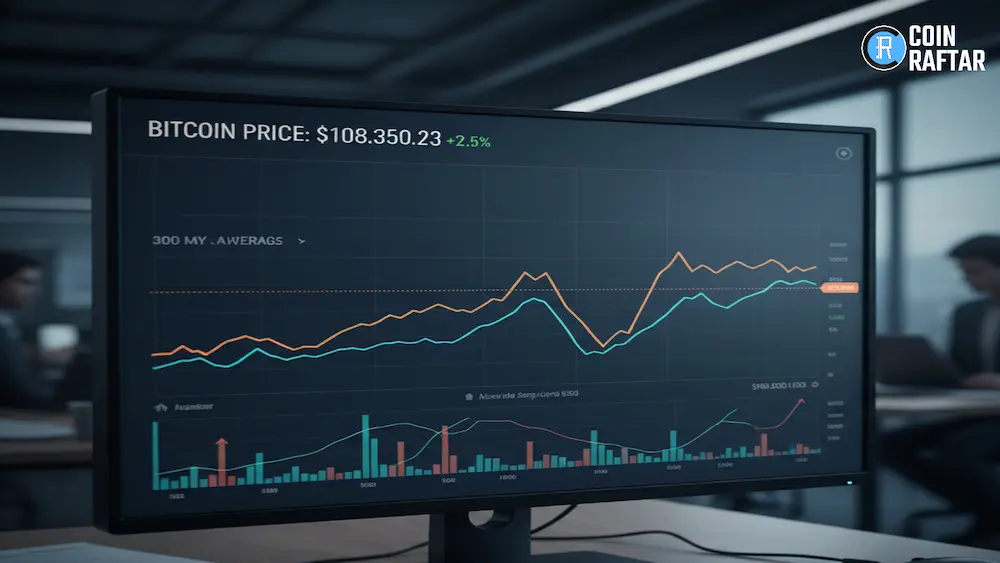
Bitcoin had surged almost 3%, hitting a high of over the $80,000 resistance level that has limited its prior gains. The cryptocurrency currently has more than a quarter of a century of bullish growth, which is manifested during a steady growing trend.
The announcement of Project Freedom makes the world investor confident.
The project is aimed at neutral ships passing through closed waterways due to the American-Iran conflict. Authorities said that U.S. troops would escort vessels, which would guarantee continuous trade and sea travel activities.
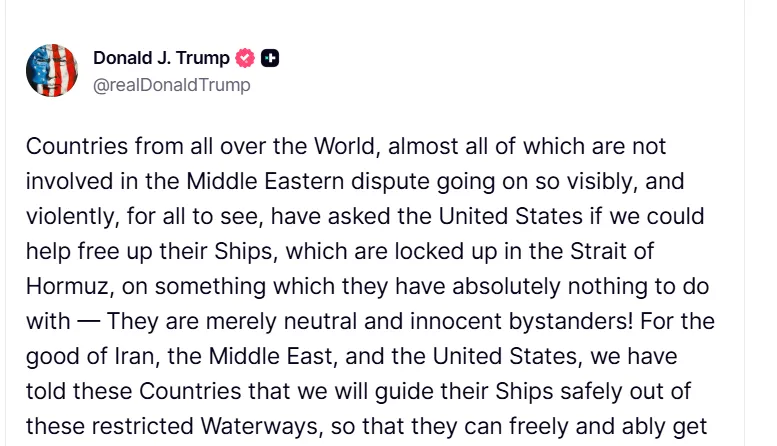
The mission was said to have started right away, which gave more urgency to an already tense geopolitical situation. Trump also mentioned that there were continuing talks with the Iranian representatives, and that such talks were constructive and potentially helpful.
Such developments helped to alleviate the fears of investors, which helped risk appetite in various asset classes across the world. With uncertainty decreasing a notch, capital shifted to the assets such as Bitcoin, which are usually considered as alternative storing of value.
Rapid gains in the crypto market are fuelled by short squeeze.
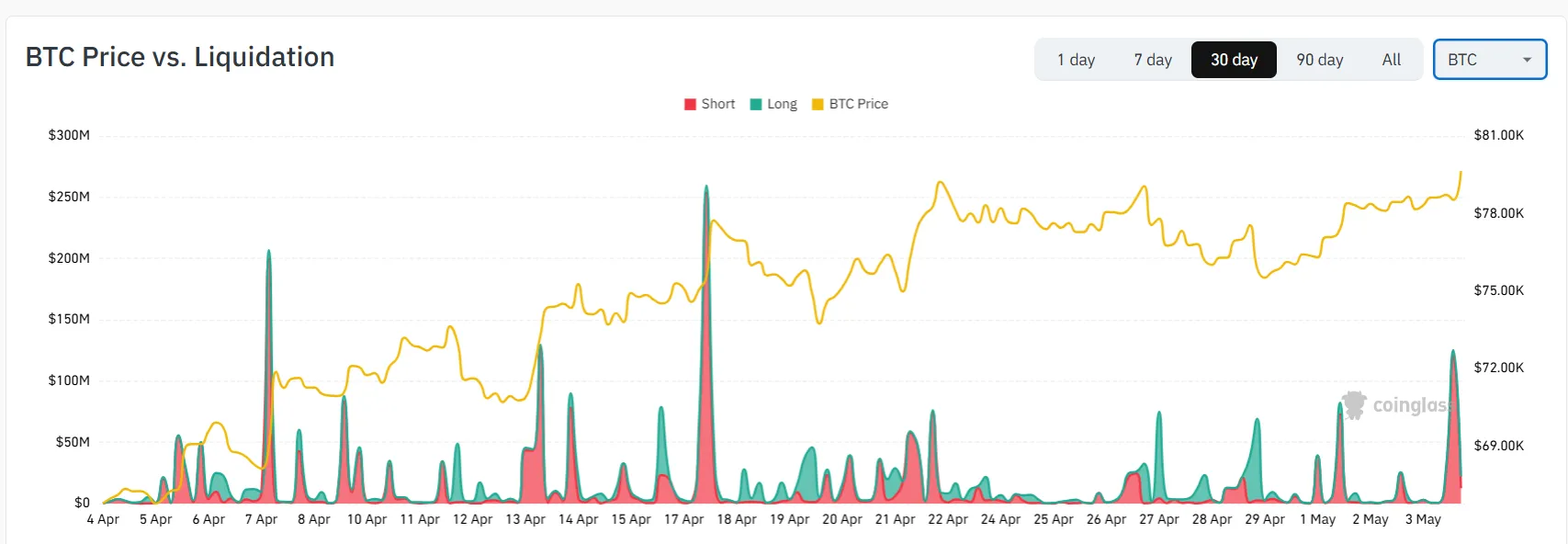
This abrupt jump in prices caused severe liquidations among traders with bearish positions in derivatives markets. Statistics show that over $160 million worth of Bitcoin short positions were sold off during the boom.
In the larger crypto market, short liquidations totaling over $300 million were made in a short time. Analysts explain the trend as a classic short squeeze, in which forced shutdowns boost price momentum.
Participants in the market were taken by surprise when the resistance levels could not stand up when faced with a high buying pressure. This chain reaction increased gains, driving Bitcoin to the realms of bullishness in a few hours of the announcement.
Bitcoin momentum is supported by oil prices and ETFs.
There was also a response in energy markets with the Brent crude going up to $108 per barrel amid the ongoing developments. West Texas Intermediate was trading at around $102 as traders were keenly watching the geopolitical results.
Traditionally, increased oil prices tend to be a sign of uncertainty, and as a strategy to avoid volatility, the diversification into other assets like Bitcoin is a good idea during such periods. In the meantime, institutional interest is still increasing market fundamentals by stable inflows into spot Bitcoin ETFs.
Recent statistics indicate a net accumulation of $153 million, the fifth week of positive accumulation. These regular inflows help boost investor confidence, which helps enhance long-term adoption and more widespread market stability.
The future of the market depends on the economic data indicators.
In perspective, investors are keenly following future U.S. labor market data that is set to be released this week. The May 7 unemployment claims announcement is likely to have an impact on the expectation concerning the Federal Reserve policy decisions.
Stronger employment data could impact interest rate outlooks, indirectly shaping crypto market sentiment and positioning. Analysts observe that recent spurt of Bitcoin above the $80,000 mark is a sign of renewed short-term upward momentum in markets.
But long term profits can be pegged on macroeconomic factors as well as geopolitical changes taking place in the world. At this point, Bitcoin is still intimately connected to external drivers, thus affirming its position in the context of contemporary financial systems.
FAQs
1. How come that Bitcoin soared above 80,000 in recent times?
Bitcoin increased as Trump declared Project Freedom and the investor mood in the global markets improved.
2. What is Project Freedom and why should we care?
Project Freedom seeks to transport ships without any trauma to the geopolitical risk, which affects financial markets.
3. What were the consequences of liquidations on the Bitcoin rally?
Short-term liquidations made traders to sell off positions causing an upward price movement by a squeeze effect.
4. How do Bitcoin ETFs contribute to price movement?
The inflows of ETFs suggest institutional interest and it tends to increase long term confidence, and can be used to promote price stability.
5. What could influence the following step of Bitcoin?
The short term market direction and volatility will most likely be affected by economic variables and geopolitical changes in the near future.