Key Insights:
- The $344 million seizure shows US increasingly using stablecoins to enforce restrictions.
- Tether issuer controls show centralised control over blockchain decentralised systems.
- International financial authorities continue to target crypto transactions linked to sanctions.
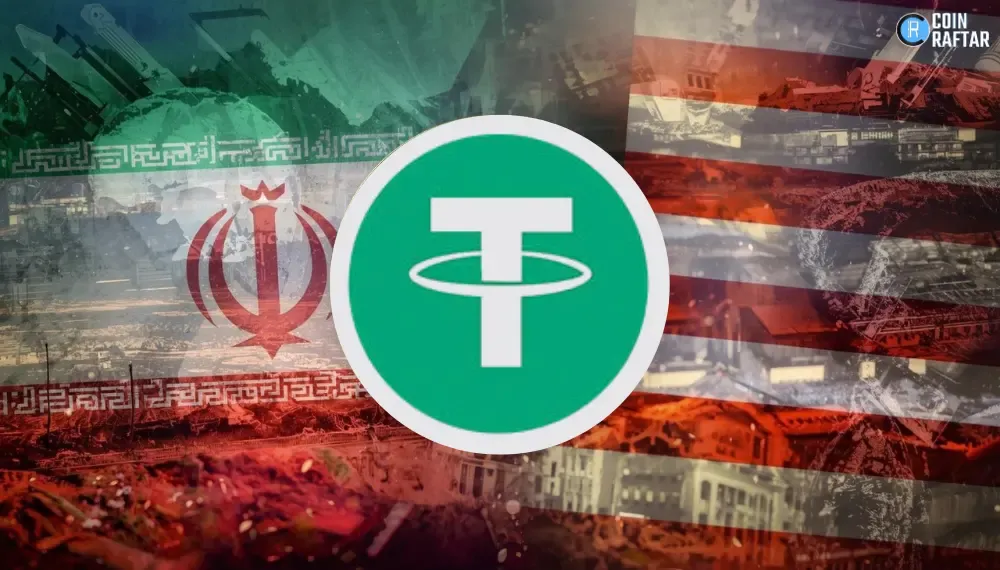
Iran’s crypto crackdown came in response to US Treasury sanctions on global digital wallet networks. Tether was cooperating with authorities to immobilise $344 million in USDT at Tron addresses rapidly.
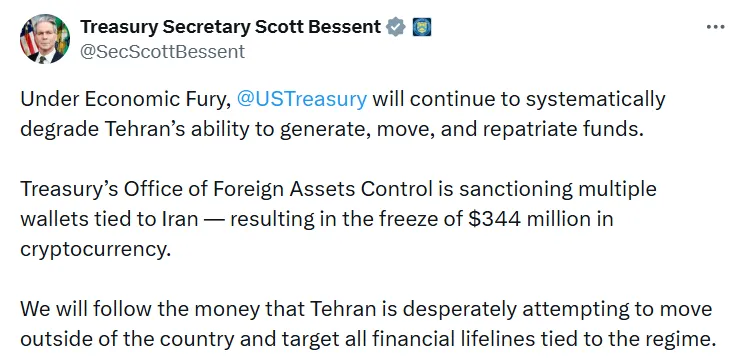
USD $213 million and $131 million in two wallets were frozen via smart contract settings by the issuer. Authorities explained Iran transactions prompted elevated scrutiny following multiple transfers through private wallet networks around the world.
Chainalysis identified patterns indicative of IRGC operations involving large USDT transfers across exchange networks. American officials highlighted intelligence and blockchain data firms’ cooperation for investigation purposes.
Tether’s issuer controls enable freezing without impacting the underlying blockchain transaction throughput systems architecture. Analysts suggested stablecoin compliance actions could reshape global digital asset regulatory framework evolution.
Earlier enforcement measures include multi-jurisdictional seizures of illicit finance networks globally monitored. Experts say such actions are becoming standard practice in the development of global crypto compliance enforcement strategies framework.
IRGC stablecoins in US sanctions crosshair
The US Office of Foreign Assets Control (OFAC) expanded sanctions on Iran military wallets. It’s as part of the crackdown on Iran financial system for foreign settlements trading.
Tether’s cooperation with authorities enabled the immediate freezing of funds without disrupting Tron network. The authorities tracked Iran exchanges to intermediary wallets for central banking records transactions.
The Iranian cryptocurrency market was worth $7.8 billion in 2015, according to the Chainalysis market intelligence report. Sanctions targeted wallets linked to risky intermediary exchanges in regional exchanges network monitoring compliance.
Blockchain tracking revealed standard layering practices to hide the proceeds of crime practices. Authorities remain alert about stablecoin issuers for geopolitical concerns in finance enforcement initiatives.
Analysts observe growing dependence on centralised issuers of stablecoins for regulatory enforcement globally adoption. Tether has become a compliance partner in global programs initiatives partnerships.
Iran Strait of Hormuz Crypto Pressure Intensifies
Iran has been incorporating cryptocurrency into its financial policy, despite international sanctions pressure measures. Iranian authorities have legalised Bitcoin mining as part of a state revenue-generating schemes policy.
Iran has reportedly used stablecoin for payments and oil imports and exports systems. The latest Strait of Hormuz incident involved 400 ships with 20,000 sailors stranded reports.
Alternative digital settlement systems networks are increasingly used for energy export and financial connectivity with resilience measures. Government sources confirm that mining activities continue to expand despite external campaigns of pressure strategic response measures.
Settlements in stablecoin have increased as banking access is constrained globally influenced environment. Regional geopolitical tensions have created a need for alternative payment systems in shipping lanes global trade routes.Cryptocurrency usage is accelerating in sanctions economies, to build financial resilience strategic approaches.
Record Tether intervention affects market
Market analysts stated that Iran exposure is minimal despite mass wallet seizures recently reported. The new Tether freeze has now seized more than $4.4 billion in multiple enforcement actions globally networks.
The risk analysts remain vigilant on stablecoin exposure in newly established geopolitical risk zones monitoring systems globally. Clarity in regulatory practices is fundamental to institutional acceptance of digital assets market growth.
Enforcement actions are likely to grow with an evolving global alignment of international compliance standards framework. Stablecoin market liquidity dynamics remain vulnerable to geopolitical risk events globally financial system responses.
The Tron blockchain remained operational without incidents during enforcement action period Crypto analytics companies expect cross-chain routing of transactions will be monitored globally enforcement monitoring.
Global regulators are collaborating on mechanisms to mitigate risks in digital asset markets global regulatory standards. Market actors are assessing custodial risks of centralized stablecoin issuers assessment frameworks.
Market behaviour driven by enforcement actions is setting expectations for future design of global adoption of crypto regulatory frameworks. Stablecoin issuers are under pressure to meet regulatory enforcement expectations for emerging global sanctions regimes.
Compliance systems for financial crime are vital in tracking digital asset transactions within ecosystems globally. Centralised control measures remain key to how stablecoins adapt to regulatory frameworks evolving.
Experts indicate market structures will be shaped by compliance architecture and systems development. Enforcement actions could have long-term impacts that transform stablecoin regulation globally over the next few years.
Final Thoughts: Iran Crypto Freeze Shows Enforcement Trend
Iran is in the crosshairs of escalating financial pressures as the world moves to digital asset enforcement. The $344 million USDT freeze shows how stablecoins can rapidly become part of sanctions execution strategies.
This move highlights the role of cryptocurrency compliance tools in global strategy. Iran is ongoing its financial restructuring but there is a clear escalation in enforcement through digital means.
With growing regulatory collaboration, Iran-related crypto activity will likely be further scrutinised. The latest move suggests stablecoins will continue to be used in sanction enforcement processes.
FAQs
Why were wallets in Iran frozen?
The wallets were controlled by networks connected to IRGC financial networks and exchanges.
How many USDT were frozen?
Law enforcement froze some $344 million in two wallets on the Tron blockchain during a joint enforcement operation.
Will the freeze have an impact on Tron?
No, Tron is still operational and Tether blacklists the wallets at contract level.
What does Tether do?
Tether is an issuer who can freeze USDT by regulatory request worldwide.