
No-KYC wallets are now a major concern in the cryptocurrency market, as most platforms are imposing verification requirements. Verification of identity is mandatory on many exchange platforms, where users must provide some form of identity documentation before using their services.
Hence, a portion of the community is now gravitating towards wallet options that do not involve such demands. In these wallets, a person can transfer and store digital currencies without associating transactions with any verified identity.
No-KYC Crypto Wallets and How They Work
No-KYC crypto wallets are cryptocurrency wallets that do not require KYC verification when created or used. Users will be able to set up accounts in these wallets without presenting any identity documents, such as a passport or ID card.
Such an approach contrasts with the traditional approach used by central platforms, where KYC is needed to complete account creation.
Most no-KYC crypto wallets are non-custodial. In other words, users get control over private keys and phrases that allow them to access their assets stored in a wallet.
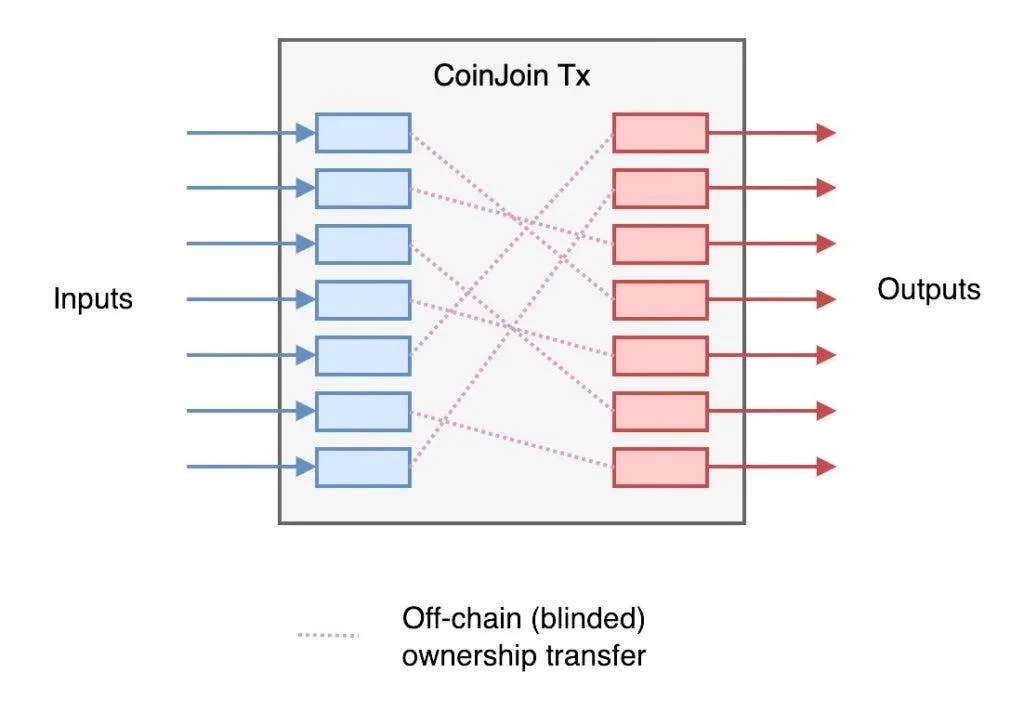
Privacy features Source: CoinJoinTx
Unlike the traditional approach, in which central organizations collect extensive personal information about users, there is simply no database here.
Reasons for Growing Adoption of No-KYC Cryptocurrency Wallets
There are several reasons why no-KYC cryptocurrency wallets have become increasingly adopted in 2026. The tightening of regulatory requirements means most exchange platforms have had to collect user information as part of their routine operations.
As a result, privacy and anonymity have been compromised across major portions of the industry.
Another issue relates to the possibility of data breaches. Services storing sensitive information are more vulnerable to attacks. No-KYC crypto wallets prevent such problems since there is no need to enter any information.
Moreover, there are no limitations regarding the accounts used for such transactions. Users can withdraw or send funds and do whatever they like with their crypto, without any limitations or waiting for confirmations. No verification is needed either.
Criteria for Choosing No-KYC Crypto Wallets
There are several technical criteria for selecting no-KYC crypto wallets. First, one of the most crucial ones is custodianless, which means that the private key must belong to the user only. In this case, the user can manage the wallet themselves.
Another technical criterion is the availability of open-source software. Open code enables users to independently verify the quality and security of their wallets. An additional feature is the ability to store multiple assets, including various types of cryptocurrency such as Bitcoin or Ethereum.
Privacy protection services might be another characteristic of such services.
Examples of the Use of Crypto Wallets That Require No KYC
Several crypto wallets that require no KYC are actively used in today’s market environment.
- Electrum supports only Bitcoin transactions and provides users with full control without registration.
- Exodus supports a variety of cryptocurrencies and does not require any identity verification.
- The Wasabi Wallet uses special tools that provide anonymity during transactions.
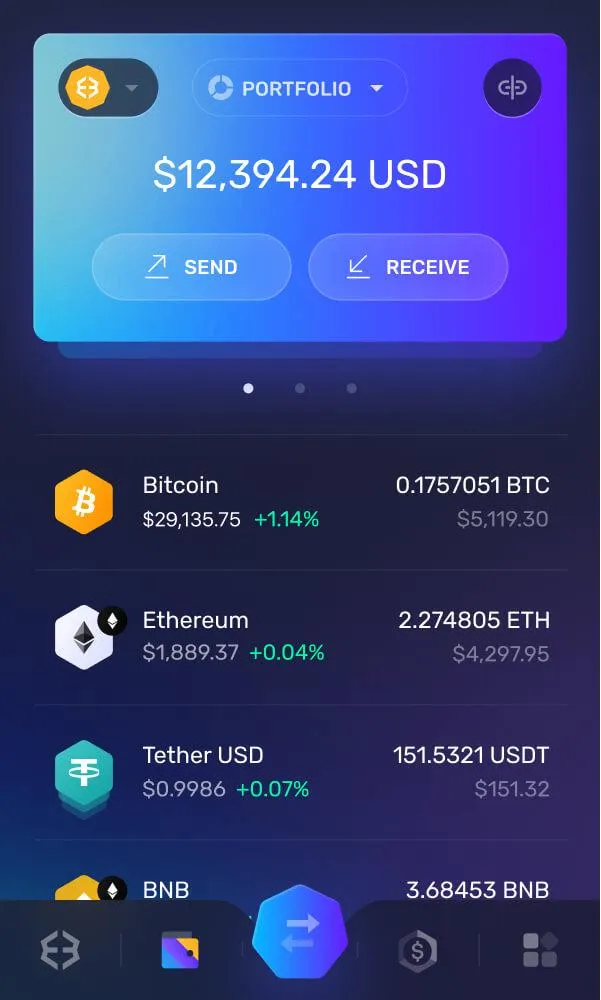
Source: Exodus Wallet
Trust Wallet allows users to store cryptocurrency and interact with DApps anonymously. The Samourai Wallet aims at ensuring user privacy.
The Risks and Drawbacks of No-KYC Crypto Wallets
There are certain risks associated with No-KYC crypto wallets. They do not have a way to recover private keys or seed phrases; hence, if lost, the user will not be able to access their money.
There are limited ways to recover the wallet because there is no centralized recovery program. Custodial wallet solutions offer such an option.
Another drawback of using these solutions is their potential misuse, which has led to regulations limiting their use.
Operational Strengths of No-KYC Crypto Wallets
No-KYC crypto wallets possess distinct operational benefits owing to their nature. This way, individuals can separate their money from themselves, as no personal details are linked to any transaction.
Individuals have full control over their money since the wallet uses the private key. This means that individuals will never have to use any other institution during financial transactions.
In addition, individuals will not be at risk of having their personal details exposed in one place since the wallet allows access without any permission.
Conclusion
The importance of the No-KYC crypto wallet will continue to rise by 2026 as regulatory platforms raise identification standards. These wallets enable the management of cryptocurrencies while keeping full control over finances.
FAQ
Is it legal to have a crypto wallet without KYC?
The answer to this question depends on the jurisdiction, as some jurisdictions have laws governing privacy-oriented financial solutions.
Can I retrieve my funds if I lose the wallet?
The answer is no, since the whole process depends on having access to your private key/seed phrase, which cannot be retrieved.
Are no-KYC crypto wallets anonymous?
Yes, they increase privacy, but all transactions can be viewed on the blockchain for analysis purposes.