Key Insights:
- Stablecoin tied to the Russian ruble surges in Tron transaction rankings, highlighting growing use of stablecoin tools in sanctioned cross-border payments.
- Western sanctions continue to push Russia toward blockchain-based settlement systems.
- Tron network activity shows increasing dominance of fiat-backed tokens over algorithmic alternatives.
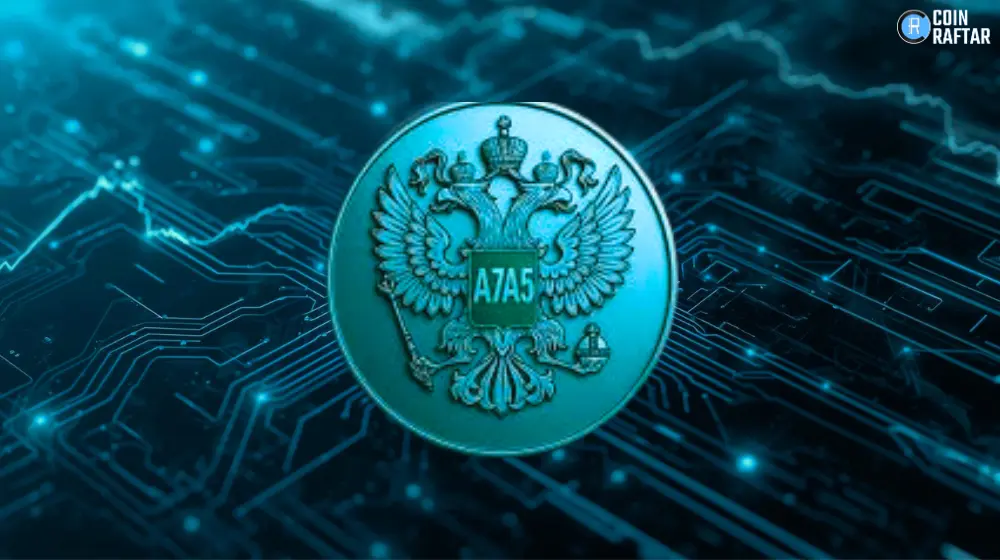
The Tron blockchain has experienced a change in the activity of stablecoins following the rise of A7A5, a ruble-pegged token, into the three highest-volume assets on the network by daily transfer volume.
Recent blockchain statistics indicate that the stablecoin is spreading rapidly, which indicates an increased need in alternative settlement tools since financial restrictions imposed on Russian institutions continue to exist.
Figures from Tronscan indicate the stablecoin processed close to $175 million in daily transactions, allowing the token to surpass several established digital assets on the network.
The increase placed the stablecoin ahead of USDD, although the dollar-backed USDT still dominates Tron activity by a wide margin.
The token market data also indicates that the capitalization has surpassed the $486 million mark and this indicates the constant growth even in the backdrop of international questioning on the source and the intended purpose.
According to analysts, the steady increase of the stablecoin is indicative that fiat-tethered tokens are still at the heart of blockchain-powered payments as opposed to simply speculative trading.
The ruble-backed token records rapid growth since launch
The introduction of A7A5 in early 2025 coincided with the period when Russia was highly restricted by the sanctions in the use of international banking systems and global payment networks.
The developers placed the stablecoin in the middle ground as a viable option capable of maintaining the trade settlements and other financial transactions beyond the jurisdiction of Western regulators.
Analytics companies operating in blockchain assert that over $100 billion have been processed through the stablecoin already, and that the adoption rate is unprecedentedly high when compared to similar tokens.
The asset is utilized on Tron and Ethereum, providing users with the flexibility to transfer funds between networks based on the situation on the liquidity front and the presence of the exchange.
Data from decentralized finance trackers suggests tens of billions of tokens are currently circulating, making the project one of the largest non-dollar digital currency initiatives worldwide.
Supporters argue the stablecoin demonstrates how national-currency tokens can gain relevance when geopolitical tensions disrupt traditional financial channels.
Sanctions pressure drives demand for blockchain payments
Western sanctions associated with the war in Ukraine have made Russian companies consider alternative financial infrastructure that would be able to facilitate cross-border payments.
Authorities and commentators see the technology of stablecoins as a viable solution more often since blockchain transfers are difficult to block compared to transactions through banks.
It is reported that the token is related to Russian business interests and is issued by organizations, which are not registered in the country, which complicates enforcement further.
Some of the entities involved in the project have already been put on the sanctions lists, but the stablecoin is still transmitted between exchanges and digital platforms.
The token is also said to be secured by deposits in rubles at an approved state-owned bank, which confirms the argument that it was intended to be quite similar to the national currency.
The stablecoin has not stopped trading and settlement activity despite the restrictions, implying that the need to find an alternative payment rail is still high.
Tron network benefits from rising stablecoin transfers
The Tron blockchain has become a preferred network for stablecoin transactions because of its low fees and high processing speed compared with competing chains.
The Tron stablecoin ecosystem is growing, and fiat pegged token takes a large portion of the daily volume.
USDT still leads by a large margin, yet the appearance of a ruble-linked stablecoin among the top tokens shows diversification in the network’s payment usage.
Developers say the coin model fits well with Tron’s infrastructure, which was originally designed to support high-frequency transfers and decentralized finance services.
The increased transaction volume also demonstrates the general market trends in which stablecoin payments are utilized more and more in settlements of transactions, remittances, and liquidity management.
It is hoped that the emergence of the token will inspire other nations with limited opportunities to explore the use of blockchain-based money schemes.
Russia expands crypto settlement strategy under sanctions
Russian authorities have gradually moved toward regulating digital assets while simultaneously encouraging their use for international payments and trade settlements.
Officials recently recognized certain blockchain tokens as digital financial assets, creating a legal framework that allows companies to use stablecoin instruments in cross-border deals.
The ruble-linked stablecoin has been mentioned in discussions about alternative settlement systems designed to reduce reliance on the U.S. dollar in global commerce.
Financial analysts say such projects are likely to grow as geopolitical tensions continue to reshape how countries handle international transfers.
Meanwhile, authorities in the United States, Europe, and the United Kingdom are tightening the belts of exchanges and platforms they believe facilitates the evasion of sanctions.
Despite the more stringent regulation, the ongoing growth of stablecoin transactions ensures that blockchain payments will continue to exist in the global financial arena.