Key Insights:
- Binance is under U.S. investigation over alleged Iran-linked transfers tied to sanctions evasion and suspected funding networks.
- Regulators are increasing scrutiny on exchanges over compliance and monitoring of cross-border crypto transactions.
- The probe reflects wider concerns about digital assets being used to bypass global financial restrictions.
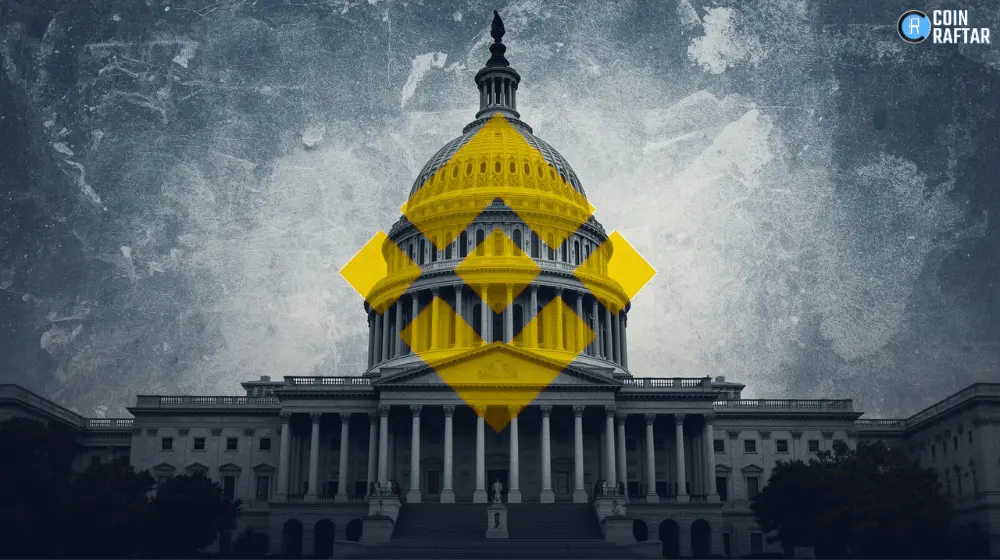
The Binance exchange is under new legal scrutiny, with the Justice Department of the U.S. starting to investigate whether the exchange has been utilised as a way of evading sanctions imposed on Iran. Investigators have been reportedly collecting evidence over the years with regard to the transactions that are claimed to have shifted huge sums of cryptocurrency via the platform.
Officials familiar with the matter said authorities have contacted individuals who had knowledge of transfers linked to financial networks suspected of supporting Iran-backed groups. The inquiry is still in an early stage, and it remains unclear whether the focus is on Binance itself, specific users, or both.
The latest development follows earlier reports claiming that more than one billion dollars in digital assets may have passed through accounts connected to sanctioned entities. Those claims have intensified regulatory attention on how exchanges monitor activity and enforce international restrictions.
Justice Department reviews transactions tied to networks
According to people cited in recent reporting, the investigation centers on whether cryptocurrency transfers were used to move funds outside traditional banking channels. Authorities are reviewing blockchain records and internal data to determine how the transactions were processed and whether compliance rules were followed.
Regulators have been warning long that digital assets have the potential to move funds across borders rapidly without using regulated financial institutions. This has been the center of attention by crypto platforms by the enforcement agencies to ensure that sanctioned countries do not have access to the global markets.
The Justice Department has not publicly confirmed the scope of the probe, but officials are believed to be examining both historical activity and recent transfers. The review could take months as investigators analyze large volumes of data across multiple jurisdictions.
Binance denies violations, highlights compliance upgrades
Binance denied the charges and claimed that the firm had had no idea it was transacting with sanctioned entities and had collaborated with law enforcement in case of suspicious activity. One of the spokespersons stated that the exchange had detected sophisticated financial patterns utilizing multiple jurisdictions and had blocked the network as it was learned.
The company also has mentioned that its compliance program has grown considerably over the last few years, and it has better monitoring tools and more stringent identity verification requirements. According to Binance, these actions allowed mitigating the exposure to high-risk transactions and enabled the platform to freeze funds associated with illegal activity.
Executives also argued that earlier reports overstated the amount of money connected to restricted entities, noting that later reviews found a much smaller confirmed total. The exchange maintains that it continues to cooperate with regulators and investigators when questions arise.
Reports claim billions flowed through accounts
Previous reports based on internal documents suggested that large volumes of cryptocurrency moved through accounts linked to Iranian networks between 2024 and 2025. Some of the transfers were allegedly connected to organizations that were later identified as part of sanctioned financial channels.
Further analysis reportedly found that only a portion of those funds could be directly tied to restricted groups, though the review is still ongoing. Investigators are trying to determine whether compliance failures occurred or whether the transactions were carried out using false identities or indirect routing.
The uncertainty has fuelled debate about how effectively exchanges can trace digital assets once they leave a platform. Experts say that while blockchain records are public, identifying the real owners of wallets can be difficult without strong verification procedures.
Global scrutiny grows over crypto sanctions enforcement
The described investigation is reported at the time when governments are tightening the controls over cryptocurrency platforms as people worry that financial sanctions are being evaded with the help of digital assets. In various countries, regulators have cautioned that the exchange has to tighten its control to ensure no one abuses it, yet at the same time be able to allow legitimate users.
According to other recent researches, there is an intention by Iranian circles to adopt cryptocurrency as a means of trade payment and procurement to circumvent the limitations of the banking system. According to analysts, digital assets can offer alternative settlement options in cases where international finance is not easily available.
According to the case, there is increasing pressure on large exchanges to demonstrate that their compliance systems can match the international standards. Companies in the crypto industry will be subjected to tighter scrutiny by government agencies throughout the world as their regulatory measures intensify.