Key Insights:
- Visa allowed U.S. banks to settle card transactions using USDC on Solana, by enabling a seven day blockchain settlement.
- Cross River Bank and Lead Bank were the first adopters as Visa deployed stablecoin settlement across the domestic banking network.
- Visa’s stablecoin annual settlement volume has surpassed $3.5 billion, a signal of a rapid growth within regulated blockchain payment infrastructure.
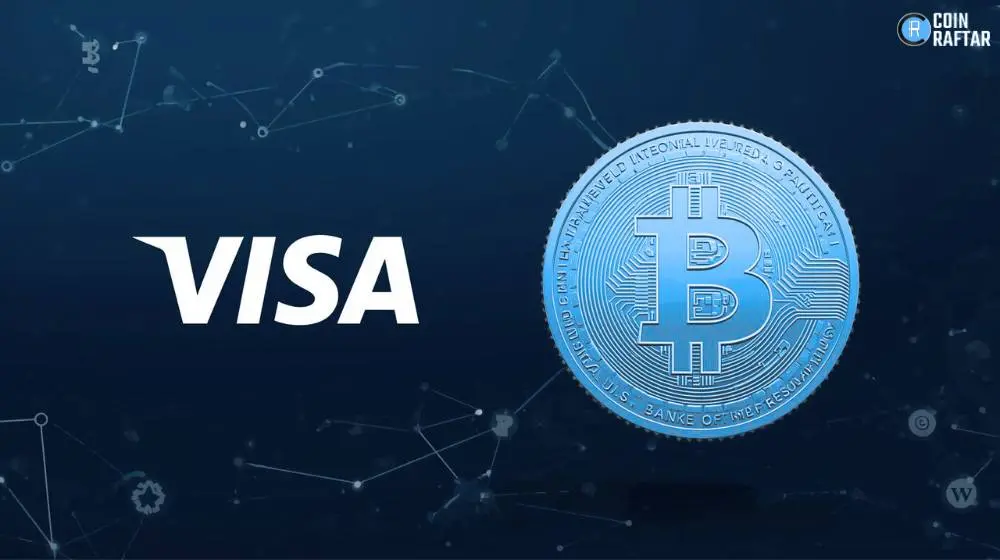
Visa stablecoin settlement has entered a new phase This is after it opened its U.S. payments network to USDC-based transaction settlement. This move enables regulated U.S. banks to settle card transactions on blockchain rails. This further reflects the growing institutional adoption of stablecoins under clearer domestic regulatory conditions.
Visa stablecoin settlement launches within U.S. banking system
Visa stablecoin settlement now allows U.S. financial institutions to settle transactions using Circle-issued USDC on Solana. According to Bloomberg, Cross River Bank and Lead Bank are the first adopters using the new settlement option.
The development marks Visa’s first full domestic deployment after conducting stablecoin settlement pilots overseas. The service enables banks to complete settlement seven days a week using blockchain infrastructure, while consumer card experiences remain unchanged.
According to an update by BloomBerg that was shared by Wu Blockchain, the integration of USDC settlement into Visa’s U.S. network was the first of its kind. The post emphasized that regulated banks now have direct access to blockchain-based settlement rails.
Regulatory clarity accelerates stablecoin integration efforts
Visa stablecoin settlement expands following the signing of a federal stablecoin framework earlier this year. The legislation provided U.S. institutions with clear guidelines for using fully reserved, dollar-backed stablecoins in payments infrastructure.
Visa executives noted that banks are now approved to engage in regulated stablecoin settlement flows. This shift has encouraged payment networks to move stablecoin services from pilot stages into operational banking environments.
Cross River Bank’s head of crypto, Luca Cosentino, explained that fintech and more crypto clients are driving new demand. He noted that stablecoin settlement supports emerging payment use cases and long-term banking relationships.
Visa Infrastructure expansion and competitive positioning intensify
Visa stablecoin settlement currently supports USDC settlement on Solana, with plans to support Circle’s Arc blockchain. Visa is a design partner for Arc and intends to operate a validator node upon launch.
As of November 30, Visa’s annualized stablecoin settlement volume exceeded $3.5 billion. Compared to the $17 trillion processed annually, this size is small however the trader base segment is growing at a faster pace.
On the other hand , competition among payment networks is intensifying. Mastercard has also significantly expanded its stablecoin capabilities. Bloomberg top analysts Intelligence estimates that stablecoins could support over $50 trillion in annual payment flows by 2030.
Visa is positioning itself as a core provider for stablecoin-based settlement and advisory services. Through the launch of a global stablecoin advisory practice targeting banks, fintech firms, and merchants.
Stablecoin settlement is preferred because it offers near-instant processing, compared with traditional settlement timelines that take up to three business days. Blockchain-based settlement also improves liquidity management across weekends and holidays.
Visa executives stated that banks are preparing to use programmable settlement options integrated into existing treasury systems. The company described stablecoin settlement as a foundational capability for future payment infrastructure.
By enabling USDC settlement domestically, Visa stablecoin settlement will connect traditional payment rails with blockchain networks. The rollout is a sign that the broader market is accepting stable coins as regulated settlement instruments within the U.S. financial system.