Key Insights:
- Tariffs remain a core pressure tool as Trump pushes allies to accelerate trade approvals and commitments.
- Markets stay cautious, reacting to Tariffs rhetoric while awaiting official action before repricing risks.
- Legal and political challenges may limit how far future Tariffs increases can realistically go.
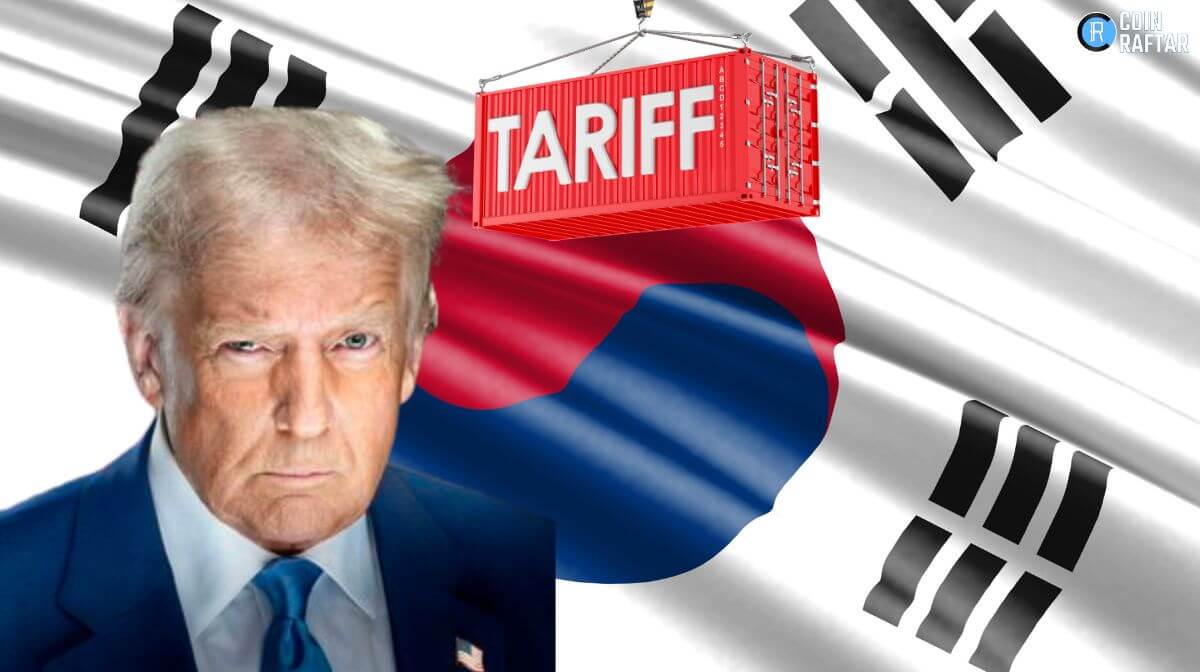
Tariffs concerns intensified after President Donald Trump accused South Korea’s legislature of delaying approval of a bilateral trade agreement. He argued the United States reduced Tariffs swiftly, while Seoul failed to finalize required legislative steps. Trump said the proposed increase would raise tariffs from 15% to nearly 25% on several imports.
Analysts warned that higher tariffs could disrupt South Korea’s export driven economy, particularly the automotive sector. Hyundai Motor, which shipped more than one million vehicles to the United States last year, was cited as especially exposed. Increased Tariffs would raise costs for U.S. importers and could weaken demand.
South Korean officials said they received no formal notice regarding revised Tariffs and requested urgent talks with Washington. Although the Kospi index initially fell, it later recovered as investors anticipated negotiations could limit escalation.
Trump Signals Broader Tariffs Against Allies
Beyond South Korea, Trump warned that Tariffs could be imposed on Canada if it pursued closer trade ties with China. Canadian leaders rejected the claim, stating no free trade agreement with Beijing was under discussion. Despite the denial, the Tariffs warning added to market unease.
Trump also suggested possible tariffs on European goods, linking the issue to disputes involving Greenland. Although he later eased that stance, the episode strained relations with Denmark and other NATO allies. Observers said the comments reinforced concerns about Tariffs being used as geopolitical leverage.
The administration has not issued official authorization for any new Tariffs, leaving markets uncertain. Analysts noted that such rhetoric often precedes negotiations rather than immediate policy action.
Markets React as Tariffs Uncertainty Grows
The markets of the world reacted carefully in response to the re-emergence of the Tariffs rhetoric in various trading platforms. Investors considered the effect of increased Tariffs on supply chains, pricing arrangements and volumes of exports. Pharmaceuticals, industrial goods and automobiles were considered as the most vulnerable.
The benchmark index of South Korea later recovered later in the session with exporters resuming losses. The market players hypothesized that Tariffs straining in Seoul would be relieved through passage of legislation. Nevertheless, it is still unclear as diplomatic negotiations are ongoing.
Economists warned that the uncertainty surrounding Tariffs in the long-term could delay the decisions of investors. Firms that trade on cross borders have been compelled to continue to speculate on forecasts of the fluctuating policy signals.
Legal And Political Risks Shadow Tariffs Policy
Domestically, Trump’s Tariffs strategy faces scrutiny from the Supreme Court. Legal experts said a ruling against the administration could restrict executive authority to adjust import taxes. Further hearings are scheduled for February twenty.
Public opinion has shown growing frustration, with polls linking Tariffs disputes to rising consumer costs. Some allies urged moderation, citing backlash tied to immigration enforcement and foreign policy actions. These concerns are emerging ahead of the twenty twenty six midterm elections.
Nevertheless, Trump still supports the idea of Tariffs as the necessity to sustain the U.S. economic interests. Analysts think that Tariffs will continue to be a key political topic that dominates the trade discussions and campaign talks.
Conclusion
Tariffs are still a key instrument in U.S. South Korea trade talks and president Trump leveraged iTariffs to have legislations expedited. There has been a slow response in the markets as people are not sure whether iTariffs will be formally introduced or addressed with diplomacy. According to analysts, the next few weeks are crucial because the move on iTariffs will determine the export policy of South Korea, investor confidence, and the overall U.S. trade relations. All in all, iTariffs still seem to point at the fragility of the economic pressure and the stability of international relationships.