Key Insights:
- Stablecoins demand grows as the won weakens against the U.S. dollar.
- Korean exchanges rely on Stablecoins to revive trading activity.
- Stablecoins attract regulatory focus amid rapid domestic adoption.
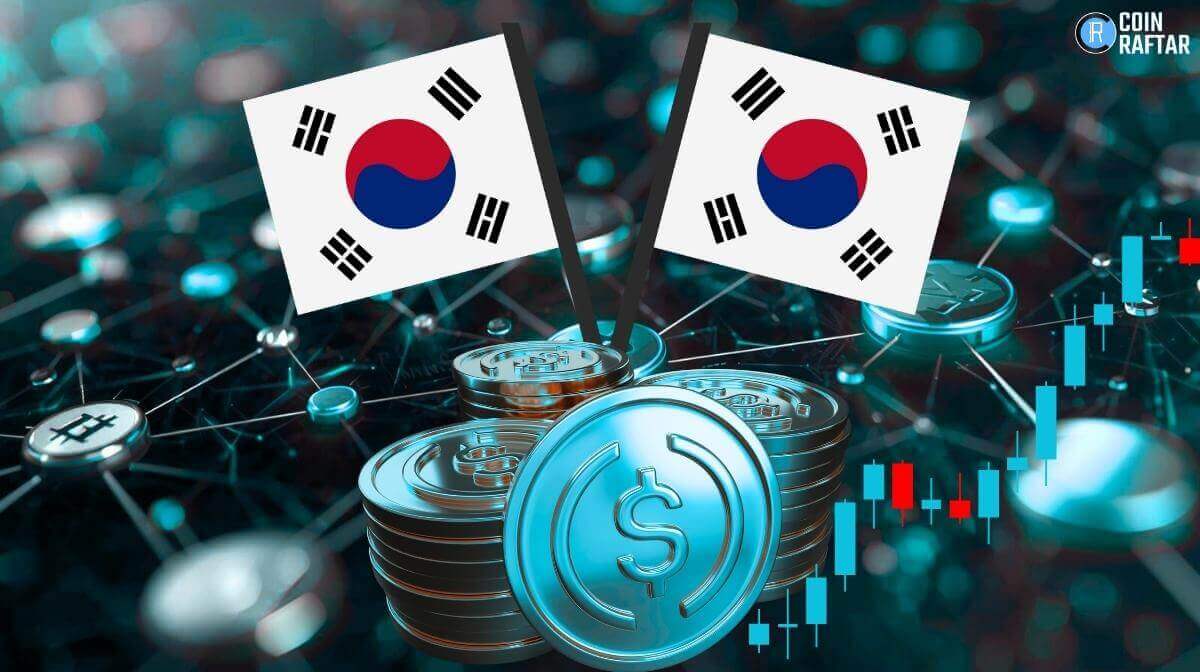
Stablecoins have become a key instrument used by South Korean exchanges of cryptocurrencies since traders react to increased volatility of the won-to-dollar exchange.The exchange rates have risen in the recent past prompting players to find dollar-linked digital assets to hedge the holdings.
Cryptocurrencies have not mostly kept pace with the domestic stocks as well as the commodities such as gold and silver that have been reaching record highs.
Exchanges have consequently made the transition to Stablecoins with the intention of keeping the trading going and lure more hesitant investors to look into securing less risky assets.According to industry officials, the increasing demand of Stablecoins is an indication of how useful it is in terms of hedging against currency depreciation.
These tokens are in greater use by traders to make their value predictable in times of market uncertainty. Such a trend toward behaviour has led to the creation of exchanges to create campaigns and listing tactics in direct response to the adoption of Stablecoins. This has seen Stablecoins become a fundamental part of the South Korean digital asset ecosystem.
Korbit Introduces Stablecoin Campaign with Zero Fees
Korbit started its marketing by waiving any trading fee on USD Coin, a dollar-pegged Stablecoin available on Circle. The exchange launched the program because of increased volatility in the won dollar that has prompted the traders to pursue dollar-linked digital assets that can be predicted. This program will aim to bring in retail and institutional players in the industry to use Stablecoins continuously in preference over volatile tokens.
Offering the USDC as a less risky alternative, Korbit will attempt to stabilize the transaction volumes throughout its platform.Along with the exemption of the fees, Korbit introduced a USDC trading campaign that operated until March and gave the participants a 25,000 USDC pool.
The amount of reward to be shared is determined by a target of 10 million won in weekly trading turnover, where the user is required to reach the target. The architecture will promote long-term participation and make Stablecoins trading a permanent element of platform participation. According to the officials, the campaign has already led to significant trading volume and general participation increases.
Coinone Increases Stablecoin Rewards
Coinone began to copy Korbit by launching a promotional program that aimed to enhance dollar-pegged assets liquidity. The exchange shares 8,000 USDC every week to users according to the cumulative amounts of the trading over the course of the campaign. According to the officials, the promotion has been receiving consistent involvement of traders who seek stable and predictable digital assets.
Coinone promotes the expansion of liquidity by fostering the use of Stablecoins during the times when the market is performing poorly.Analysts pointed out that the program is in line with the market trends in general where investors move towards more dollar based products as the local currency continues to depreciate.
The promotion guarantees that Stablecoins will come as a trusted source of trading, as well as assist exchanges to keep their users interested in the product.These efforts suggest that Stablecoins have become fundamental tools of hedging and transaction in Korea.
Altogether, the campaign by Coinone strengthens the tendency towards the increasing centrality of Stablecoins in domestic trade practices.
Upbit and Bithump Add Stablecoin Listings
Upbit and Bithumb took the listing-centered approach to develop a Stablecoins product, launching Ethena USD (USDe) in mid-January.USDe is an artificial Stablecoin, which is pegged to the U.S. dollar, but does not use conventional banking reserves.The token is intended to give traders a predictive and consistent asset in the volatile market, unlike the traditional fiat-backed Stablecoins.
The exchanges matched the listings with the promotion campaigns where users got tokens in the form of Ethena depending on the performance on the trading volume.These campaigns will encourage traders to use Stablecoins in their day to day operations and assist in creating a long term engagement.
According to the officials, the combination of listing with selected promotions makes sure that Stablecoins will be a part of the trading environment.The diversification of goods and services will allow Upbit and Bithumb to stabilize the trading volumes and create additional sources of revenue with the help of dollar-linked assets.
The efforts show that Stablecoins have taken centre-stage in the cryptocurrency market plans of South Korea.
Stablecoin Demand is Stoked by Exchange Rate Volatility
The extreme increase in the won-dollar exchange rate has greatly increased the demand of Stablecoins since traders want to know the value. At the time of exchange rate higher than 1,480 won against the dollar, Tether trading on major exchanges amounted to 378.2 billion won, 62% higher than as of the beginning of January.
According to analysts in the industry, retail and institutional investors are progressively hedging against depreciation of currencies using Stablecoins.The surge describes the increasing importance of Stablecoins in safeguarding value in times when the market is uncertain.Also, regulatory interest has also increased as the use of Stablecoins in South Korea has increased.
Lawmakers suggested regulating Stablecoins with the Foreign Exchange Transactions Act to avert the illegal cross-border operation and impose reporting requirements.Did you highlight the fact that Stablecoins are a medium of transaction, as well as a hedging tool to hedge won volatility?Stablecoins will continue to be a part of the crypto market in South Korea until the realization of domestic alternatives such as KRW1.