key insights:
- Stablecoins are moving beyond trading, with a growing share of global users relying on them for salaries, everyday spending, and cross-border payments.
- Adoption is strongest in emerging markets, where stablecoins offer faster, cheaper, and more reliable alternatives to traditional financial systems.
- Rising demand for bank-integrated wallets and debit cards signals that stablecoins are approaching mainstream financial use rather than remaining a niche crypto tool.
Stablecoins are not on the trading desks or even on the speculative crypto strategies but a new survey data reveals that they are being integrated into everyday financial activity. According to a global survey conducted by BVNK with assistance of YouGov and other partners such as Coinbase and Artemis, digital dollars are now extensively used as sources of income, expenditure, and to transact money across borders.
The study conducted a survey of over 4,600 crypto users in 15 countries, which included behavior of those who already own or intend to own digital assets in an active form. The results indicate that Stablecoins are being used in real-world applications with practical motives because of efficiency, cheapness and dependability instead of being speculative in the market.
Stablecoins Adoption Accelerates in Everyday Payments
Survey data shows that Stablecoins are becoming a routine payment option, particularly for salaries, freelance income, and international work. Around 39% of respondents said they receive some form of income in stablecoins, accounting for roughly one-third of their annual earnings on average.
The recipients of payments in digital dollars reported physical advantages, and almost three-quarters stated that stablecoin payments advanced access to foreign business opportunities. The sellers in the market places also mentioned improvements in volumes of transactions citing easy settlements and fewer delays in payments.
The attractiveness seems to be pegged on cost-efficiency since the respondents claimed to save an average of 40% fees in comparison with conventional remittance methods. These savings render Stablecoins particularly desirable to cross-border trade, as their alternative systems are typically slow and costly.
Everyday spending expands as Stablecoins gain trust
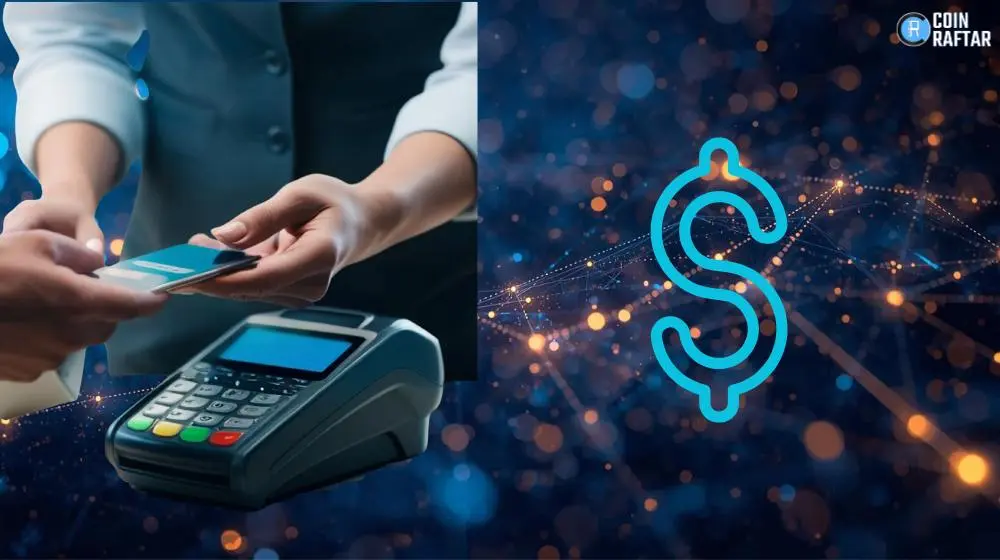
Besides income, Stablecoins become the ordinary element of the natural purchases, which is a marker of entering the real world. About a quarter of the holders stated that they were using stablecoins to shop and withdraw money to service their wallets using approximately $200 on average to spend on common expenses.
More than half of surveyed users said they purchased items specifically because a merchant accepted stablecoins, underscoring how acceptance can directly influence consumer behavior. This effect is even more pronounced in emerging markets, where financial access remains uneven.
However, the study highlights a gap between interest and availability. While 42% of respondents want to use Stablecoins for larger lifestyle purchases, only 28% currently do so, suggesting merchant adoption still lags user demand.
Global Stablecoins usage highlights regional differences
The adoption rates also differ greatly and highest usage rates are reported to be within South America, Africa, and even in some areas of Asia. Unstable banking systems and unstable local currencies in these markets have forced crypto users to adopt Stablecoins as the next best thing.
Surveyed crypto users in Africa (79%) indicated that they held stablecoins because they served in payments, savings, and international transfers. The users of the emerging markets have smaller balances averaging, 85, but use them more in their day to day transactions.
Growing interest is also being evidenced in developed economies albeit on a more exploratory basis. About 45% of crypto users in the United States, the United Kingdom, and Europe currently own stablecoins, and their average balances have come nearer to $1000, which represents a saving strategy.
Finally, according to the survey, stablecoins are not an experimental project anymore, but a practical tier of world finance that is gradually becoming a part of daily life.