Key Insights
- New capital markets laws grant legal approval to South Korean tokenized securities.
- Google implements VASP verification for crypto apps to block offshore exchanges.
- FSC spearheads STO rollout with a 2027 start after 1 year of preparation.
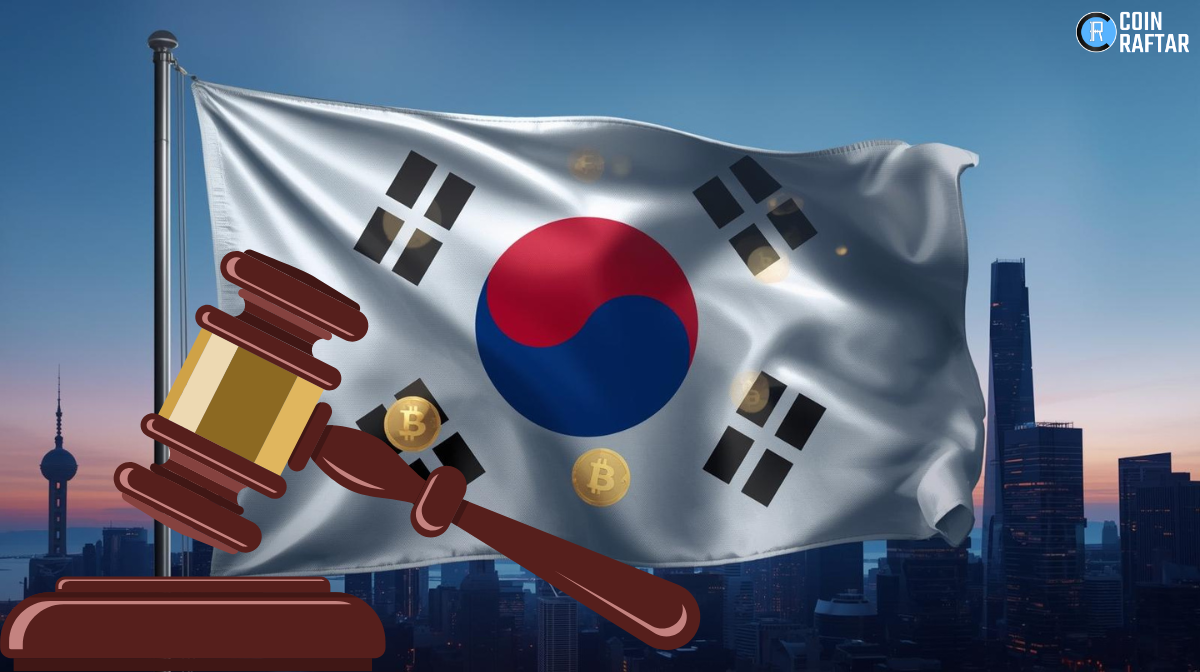
The tokenized securities in South Korea entered a new phase in the regulatory environment this week, as legislators passed amendments that officially incorporate blockchain-based securities into the nation’s capital markets framework, and separate regulatory measures indicated a new level of strictness on access to offshore crypto platforms.
South Korea Tokenized Securities Framework Approved by Lawmakers
South Korea’s tokenized securities received formal legal recognition after the National Assembly passed amendments to the Capital Markets Act and the Electronic Securities Act during a plenary session on Thursday.
The two policy moves highlight a broader shift toward controlled digital finance, combining the approval of security token issuance with the further implementation of existing virtual asset registration regulations.
The revisions have recognized tokenized securities as valid financial instruments and have described their issuance, distribution, and trading under domestic law.
Under the amended Electronic Securities Act, eligible issuers may issue securities using blockchain-based infrastructure.
The reforms can enable the creation of digital representations of securities and manage them using distributed ledgers rather than conventional centralized systems.
These instruments can be traded in the market as investment contract securities under parallel amendments to the Capital Markets Act by brokers and other licensed intermediaries, which locate tokenized products within the existing market channel.
Regulators stated that the objective is to combine the efficiencies of distributed ledger technology with established investor protection mechanisms.
The Financial Services Commission said the framework is expected to improve securities account management and enable broader use of smart contracts across market infrastructure. Officials also clarified that tokenized securities are not confined to a narrow asset class and may apply to both debt and equity products.
South Korea Tokenized Securities Rules.
Government officials emphasized that the new tokenized securities system can help distribute investment contracts that were previously limited.
The examples given were securities pegged to real estate, artwork, or farm projects. By bringing such products under a regulated STO framework, authorities seek to increase investor access while retaining control through regulation.
After legislative approval, the bills will be submitted to the state council before being formally promulgated by the president, a procedure officials believe will not entail significant revisions.
The laws will be implemented in January 2027, following a one-year preparation period to enable market participants to adjust systems and procedures.
The Financial Services Commission will lead implementation in coordination with the Financial Supervisory Service, the Korea Securities Depository, and industry stakeholders.
Regulators said a consultation body is expected to convene as early as next month to develop supporting infrastructure, including ledger-based account management systems and additional safeguards.
At that time, officials outlined how distributed ledger technology could be incorporated into capital markets while preserving existing regulatory standards.
Google Revises Crypto Apps Requirement in South Korea.
Along with the enhancement of tokenized securities legislation in South Korea, regulators increased their oversight of crypto platforms operating in the country.
Google is rolling out updated requirements for crypto exchange and wallet apps listed on Google Play in South Korea. This change may restrict access to offshore platforms lacking local regulatory clearance.
According to a report by News1, beginning Jan. 28, crypto exchange and custodial wallet apps available on Google Play must upload documentation proving their acceptance of their Virtual Asset Service Provider registration with South Korea’s Financial Intelligence Unit.
Google reportedly clarified that developers must submit proof of completed registration acceptance through its developer console.
Applications that do not comply with the requirement can be blocked in South Korea, with new downloads blocked, and user access slowed down in the long run. The policy covers exchanges and custodial wallet providers serving domestic users.
Implications on Exchanges in the Offshore and Compliance.
According to a News1 report, the new Google policy might significantly affect large foreign crypto exchanges, namely Binance and OKX.
South Korea requires crypto exchanges that deal with local customers to be registered with the Financial Intelligence Unit, which can be challenging for offshore companies.
Registration is usually performed during the creation of a local legal entity, the implementation of anti-money laundering systems, physical inspection, and the certification of the Information Security Management System.
Although it has a 10% stake in the local exchange Gopax, Binance does not have an official local presence in the country. OKX has been involved in the past in the claims of its operations as a South Korean unregistered exchange.