Key Insights:
- The Financial Regulator of South Korea focused on investigations into whale trading, gatekeeping, and manipulation coordination.
- The AI monitoring is also extended to abnormal order detection when liquidity is low.
- Digital Asset Basic Act Audits Exchange incidents require preparation and audit.
The South Korean crypto market manipulation will also come under increased regulatory control in 2026, with the financial authorities shifting to monitor further trading activities that manipulate price discovery in the domestic digital asset markets.
FSS Announces Focused Investigations into Higher-Risk Crypto Trading Behaviors.
The country’s financial regulator has announced a list of intended probes to detect coordinated trading plans, large-holder trading, and strategies that exploit operational upheaval at local exchanges. The measures were disclosed as part of a broader supervisory agenda that reflects growing concern over market integrity following several exchange-related incidents.
According to reporting by Yonhap News Agency, the Financial Supervisory Service (FSS) will prioritize monitoring practices that undermine orderly trading conditions.
FSS Governor Lee Chang-jin said the regulator intends to focus on high-risk activities that interfere with normal price formation, including coordinated manipulation and strategies that exploit exchange infrastructure disruptions.
Regulatory agenda targets South Korea’s crypto market manipulation
The FSS detailed its approach in its annual policy agenda released Monday, which combines crypto market oversight with stricter penalties for information technology failures across the financial sector.
Within the digital asset segment, the regulator said it will conduct targeted probes into practices that distort market order. These include price manipulation by large traders, commonly referred to as “whales,” and schemes that inflate token prices during periods when deposits or withdrawals are suspended on specific trading platforms.
These types of practices associated with suspensions are locally referred to as gating, a situation in which token provisions temporarily stagnate within an exchange.
The FSS states that such conditions may lead to artificial price dynamics that are not related to the overall market price, which has increased regulatory attention. The watchdog also mentioned other strategies under scrutiny, such as rapid price-pumping tactics, manipulation via application programming interface (API) orders, and the spread of false or misleading information via social media.
The agency said these practices may be used individually or in combination to influence market behavior.
Exchange disruptions heighten enforcement focus
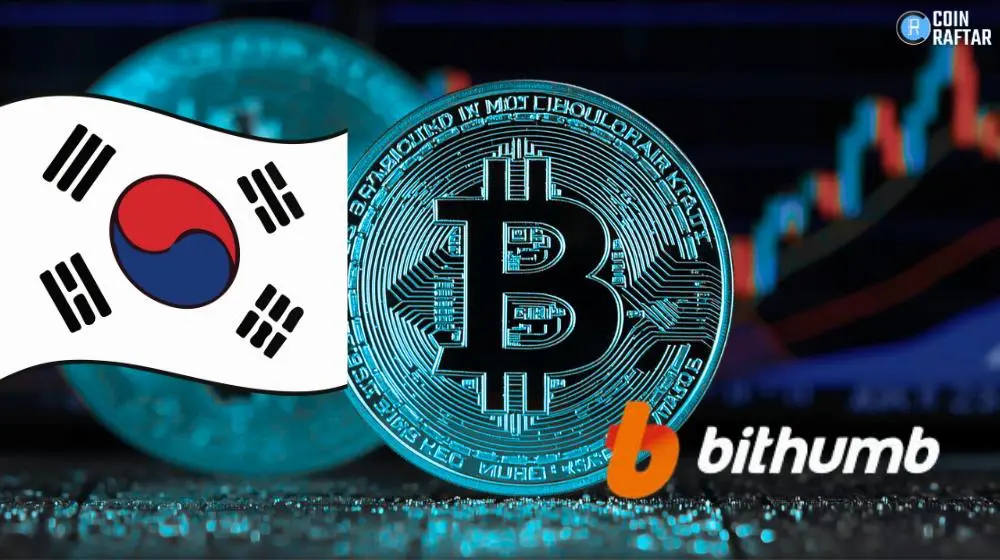
The tougher stance on crypto market manipulation in South Korea follows a recent operational incident at Bithumb, the country’s second-largest cryptocurrency exchange.
During a promotional event held on Friday evening, Bithumb mistakenly credited approximately 620,000 BTC to hundreds of user accounts. The exchange later said it recovered 99.7% of the excess bitcoin and confirmed that no customer assets were lost.
According to Asia Business Daily, the Financial Services Commission (FSC) convened an emergency inspection meeting with the FSS and the Korea Financial Intelligence Unit (KoFIU). The agency stated that these practices may be used individually or in combination to influence market behavior.
According to reports, the officials ordered an extensive audit of internal controls of all domestic cryptocurrency exchanges, indicating increased sensitivity to operational risk. The relocation will help reduce reliance on manual identification methods and increase the rate at which potential market manipulation is detected.
The FSS indicated that such systems will assist in monitoring abnormal order behavior, coordinating activity across accounts, and detecting unusual price movements during periods of low liquidity or during system maintenance. According to the officials, AI monitoring outcomes may trigger additional review or official investigation when necessary.
The enhanced surveillance framework is already being applied to specific market events. On Feb. 3, the FSS confirmed it was reviewing sharp price movements in the ZKsync token that occurred during a system maintenance window on Upbit. The regulator said it was analyzing trading data and could escalate the matter into a formal investigation depending on the outcome of the review.
Legislative preparation alongside enforcement planning
Beyond immediate enforcement, the FSS said it has established a dedicated task force to prepare for the introduction of the Digital Asset Basic Act, the second phase of South Korea’s crypto regulatory framework.
According to Yonhap, the group will focus on implementation planning rather than enforcement, including work on disclosure standards for token issuance, support for exchange listings, and licensing review manuals for digital asset service providers and stablecoin issuers. The final version of the Digital Asset Basic Act is expected in the first quarter of the year. Regulators said preparatory work will help ensure a smoother transition once the legislation is enacted.