Key Insights
- From 2026, Russia’s crypto regulation rules will allow exchanges to trade digital assets using existing licensed infrastructure.
- MOEX and SPB support the Central Bank’s rules and confirm their technical readiness for regulated cryptocurrency trading.
- Investor access expands under Russia crypto regulation, with limits for retail buyers and broader rights for qualified investors.
Russia Crypto Regulation Advances as MOEX and SPB Prepare Trading Launch
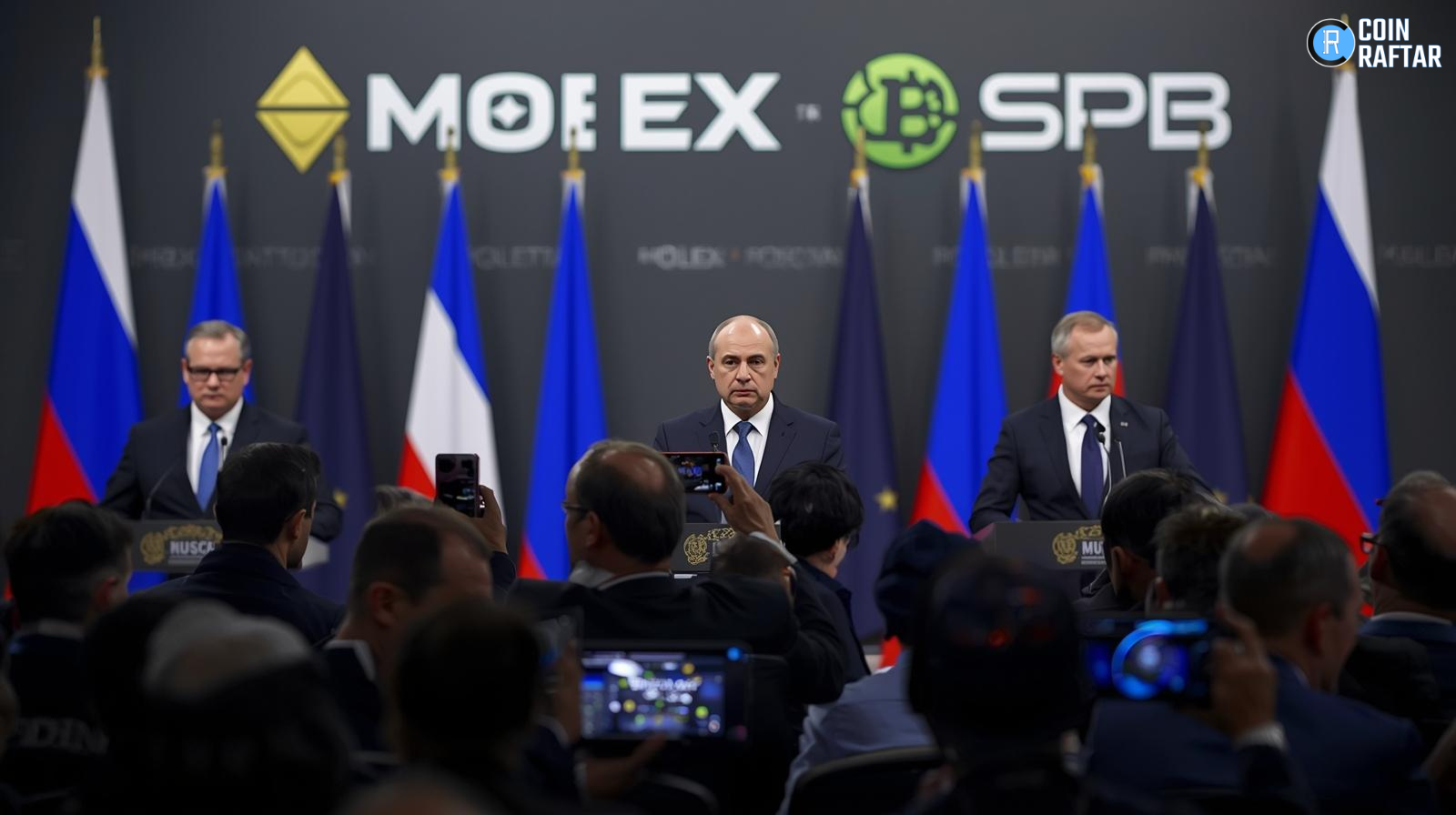
Russia’s crypto regulation has entered a new phase. Major exchanges have confirmed readiness for regulated digital asset trading. Moscow and St. Petersburg platforms support the Central Bank framework scheduled to take effect in 2026. This will enable regulated Cryptocurrency transactions for Russian Cryptocurrency users. The two platforms, representing Russia’s biggest stock markets, also confirmed their readiness to begin hosting cryptocurrency trade when the respective rules enter into force next year.
Exchanges Align With Central Bank Framework
The Moscow Exchange confirmed its readiness to support Russia’s crypto regulation through regulated trading services. In an official post shared by its press service, MOEX stated preparations are underway pending final legal approval. The exchange noted that existing foreign exchange trading systems can support secure cryptocurrency circulation.
MOEX emphasized that clearing and settlement expertise already supports cross-border financial operations. This experience is viewed as suitable for managing digital assets within a controlled market environment. The exchange reiterated its support for the Central Bank’s structured approach to cryptocurrency oversight.
SPB Exchange also endorsed Russia crypto regulation in a separate public statement.
In a short social media post, SPB confirmed its trading and settlement systems are already operational. The exchange stated that trading will begin once legislative amendments formally enter into force.
https://x.com/WuBlockchain/status/2004072206691979652?s=20
Legal Structure and Market Access Rules
The Central Bank plans to replace the experimental crypto regime introduced in March 2025. That temporary framework allowed for limited foreign trade use and access for selected qualified investors. However, under the new Russian crypto regulation, a permanent legal structure is expected to be ready by July 1, 2026.
Under this law, digital currencies and stablecoins will be classified as currency assets under the proposal. They may be bought and sold but cannot be used for domestic payments. Transactions will be processed through licensed exchanges, brokers, and trustees.
Unqualified investors will face annual purchase limits set at 300,000 rubles per intermediary.
Testing requirements will apply before retail investors can access approved liquid cryptocurrencies. Qualified investors will have unrestricted access, excluding privacy-focused digital coins.
Infrastructure Use and Compliance Measures
The Bank of Russia intends to route crypto flows through existing financial infrastructure.
This will allow traditional market participants to operate under current licenses without creating parallel systems. More so, special custodians and exchangers will require separate authorization under stricter standards.
Residents may purchase cryptocurrency abroad using foreign accounts under notification requirements. Notably, transfers involving Russian intermediaries will need disclosure to tax authorities. These measures are aimed at maintaining oversight without restricting lawful cross-border activity.
From July 1, 2027, penalties will apply for unauthorized crypto intermediation activities.
Liability standards will mirror those used against illegal banking operations. Russia’s crypto regulation is structured to formalize trading and maintain supervisory control.
The Broader Picture of the Russian Crypto Regulation
Such regulations are usually useful in the Crypto space due to the high risks involved. First, it’s the high number of participants involved, and this makes it necessary for the government to intervene. Large numbers mean large amounts of money. If these activities go unchecked and fraud is involved, they could cause a lot of loss.
Crypto is spreading rapidly across the globe, and this is making it necessary for the Russian government to enact regulatory laws. This will ensure that participants will play by clear market rules come the start of operations.