
Key Insights
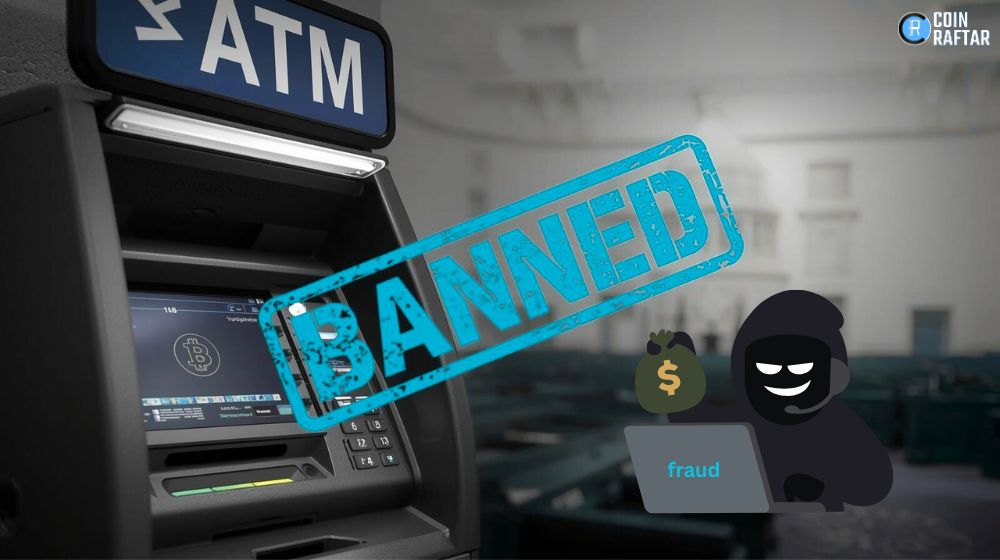
- Minnesota legislators introduced HF 3642 to ban crypto ATMs in the state due to an increase in fraud investigations.
- According to FBI statistics, there were $333 million in reported losses associated with crypto kiosk scams in 2022.
- Companies like Bitcoin Depot introduced mandatory ID verification as a measure to address concerns about misuse.
Minnesota crypto ATM ban discussions have intensified after lawmakers introduced a bill to prohibit virtual currency kiosks state-wide. The proposal follows a surge in fraud cases tied to crypto ATMs and growing concern from state law enforcement agencies.
Legislator Erin Koegel from Minnesota has proposed a bill, HF 3642, that would ban all cryptocurrency ATMs (also known as cash-to-crypto ATMs) in Minnesota. Multiple reports regarding scams associated with these cryptocurrency machines were the impetus for this legislation. Authorities have stated that fraudsters often get victims to send money using these machines.
Law enforcement agencies have contacted lawmakers to inform them that these scammers are particularly targeting seniors. They often instruct their victims to deposit cash into a cryptocurrency ATM and make a deposit. The funds sent via an ATM are processed with blockchain technology, which cannot be reversed, making it difficult for law enforcement to assist the victim in recovering their funds.
This proposed prohibition builds off work that was done in 2024 when the Minnesota Legislature passed legislation that established a daily limit of $2000 on how much money a person could deposit into a Cryptocurrency ATM and required kiosk/ATM operators to provide a reimbursement for fraud victims under defined circumstances.
Lawmakers cite FBI fraud data
The Minnesota crypto ATM ban has become a priority for state legislators due to the amount of funds lost in the past 12 months, as reported by law enforcement across the nation. According to the FBI’s report, there were over $333 million in losses reported by victims over the last year associated with crypto-ATMs across the country. This amount of losses put the scrutiny of all Kiosk operations among all Kiosk operators in the nation into hyperdrive.
Koegel has reported that legitimate traders tend to only use regulated exchanges; however, fraudsters favor using the kiosks due to the speedy settlement of transactions and the absence of chargeback options that usually prevent fraud. This is one of the main reasons legislators feel these Kiosks represent an easy way to perpetrate fraud.
Sergeant Jake LanZ has noted an increase in complaints of fraud from aged citizens of the area, as well as a trend of investigators noting the use of crypto ATM’s as a tool of fraud in multiple investigations in the community. The bill is intended to remove this avenue from the area.
Meanwhile, the debate will continue regarding the acceptance of cryptocurrency as more and more states develop plans for digital assets, e.g., reserves, blockchain structures, etc. Minnesota’s legislators continue, however, to be concentrated on protecting consumers in their state from scams and fraudulent activities involving crypto ATMs.
https://x.com/cryptoamanclub/status/2027597100528337392?s=20
Industry response and regulatory backdrop
As kiosk operators are modifying their compliance policies, one of the largest players in the country, Bitcoin Depot, has rolled out mandatory customer ID verification for all transactions as of February.
According to company representatives, new monitoring systems help to combat potential fraud, but they did not specify if there would be any state-level enforcement. Kiosk operators are taking steps to address fraud complaints and enhance customer protections.
Meanwhile, federal law enforcement agencies have increased their efforts to enforce regulations governing digital assets. Recently, the DOJ announced the seizure of approximately $578 million in digital assets related to criminal activity. The goal of both federal and state regulators is to combat crypto crime.
While some states passed regulations on cryptocurrency transactions in 2024, lawmakers in Minnesota continue to believe that additional legislation is needed regarding cryptocurrency kiosks to prohibit them altogether, rather than only imposing high-risk transaction limits.
The elimination of cryptocurrency kiosks is expected to reduce individuals’ exposure to high-risk transactions; however, thus far, no opposition groups have provided testimony at the public hearings.
As such, there is still some disagreement between supporters/opponents regarding the legislation, and the debate surrounding it and its merits will continue to be looked at by the committees reviewing the bill.
Should the bill be passed, Minnesota would join the ranks of a select group of other jurisdictions that have imposed stringent restrictions on the operation of cryptocurrency kiosks.
Final Thoughts
The debate over the Minnesota ban on crypto ATMs illustrates the wider fight between innovation and the protection of consumers from fraud. Lawmakers must take into account both the number of fraudulent incidents and how many people will have access to digital financial tools as they debate the proposed legislation on this subject. The outcome of these discussions could affect future legislation in other states concerning crypto ATMs/kiosks.