
Key Highlights:
- Binance adds 4,225 BTC to its SAFU Fund, raising total holdings to 10,455 BTC.
- The transfer supports an ongoing reserve shift from stablecoins to Bitcoin.
- On-chain data confirms the move was executed internally, limiting market impact.
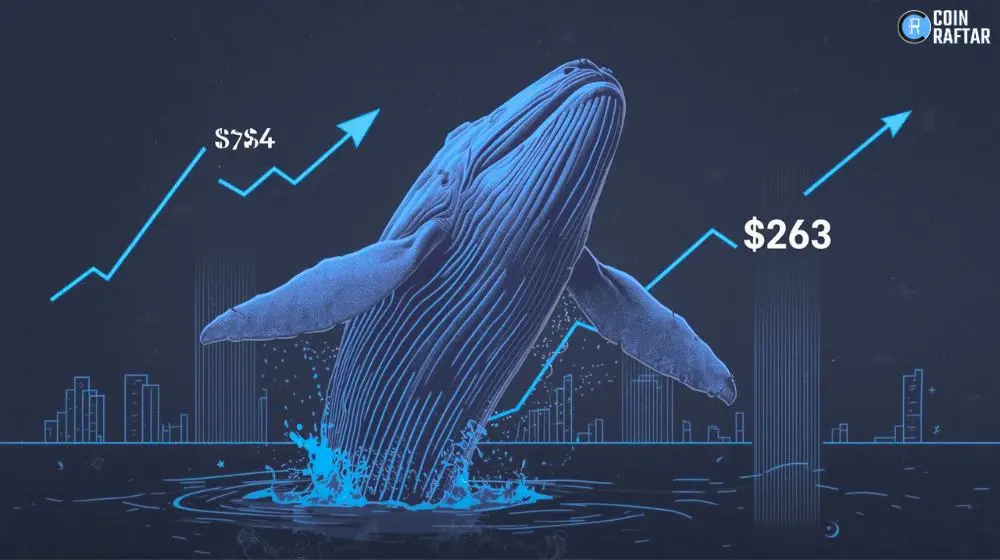
Binance has added 4,225 Bitcoin worth roughly $300 million to its Secure Asset Fund for Users, pushing total SAFU holdings to 10,455 BTC.The transfer marks a major step in the exchange’s ongoing plan to convert SAFU reserves from stablecoins into Bitcoin within 30 days.
According to on-chain records, the transaction was relayed on February 9 and its many outputs have confirmed a value of approximately $299.6 million.The relocation comes when the prices of Bitcoin are alternating by the day, and new questions emerge concerning the reserves in exchanges and long-term stability measures.
Binance Advances SAFU Bitcoin Reserve Conversion
According to blockchain data, the average price at which the Bitcoin was purchased was approximately about $70,400 and this increased the SAFU Fund BTC valuation to more than $734 million.Bitcoin has been defined by Binance as a long-term preservation of value and conversion can be described as a defensive reserve move.
The exchange pointed out that the aim of the SAFU allocations is to give the user protection and not market speculation or short term trading policies.Officials noted the reserve will be replenished whenever its value drops below $800 million, regardless of prevailing market conditions.
Recent Purchases Highlight Strategic Reserve Accumulation
On-chain analytics firms reported that the SAFU Fund accumulated thousands of Bitcoin in several tranches during the past week.These included purchases exceeding 3,600 BTC and multiple acquisitions above 1,300 BTC, executed before the latest reserve update.
Although Bitcoin prices later dipped below $70,000, Binance maintained that timing the market was not a priority.Instead, the exchange framed the acquisitions as balance-sheet management meant to reinforce the fund’s resilience during stress events.
Transparency Focus Shapes Market Interpretation
The recent transfer was based on a hot wallet that was controlled by Binance, and the assets were transferred within the company instead of having to obtain liquidity through external exchanges.This difference implies that there would be little direct effect on the spot markets, although the magnitude of the transfer received a lot of concern.
Binance has allowed wallet addresses and transaction references to be published so that independent observers can track movements of SAFU in real time.The conversion of such disclosure places the conversion as a transparent reserve adjustment and not a discretionary corporate treasury operation.
In 2018 a security incident led to the creation of SAFU which is financed off the trading fees generated by the exchange.The fund is set to pay the users in case of any unexpected losses, and therefore reserve composition is a very important trust indicator.This seems to make Binance focus more on the stability of assets than on the stability of price in the short run by converting stablecoins into Bitcoin.The exchange has once again restated that Bitcoin is liquid and has matured the network, which makes it appropriate to support emergency reserves.
https://x.com/binance/status/2020746367996743708?s=20
The next question that market watchers are following is whether or not the newly acquired Bitcoin is staying in dormant custody or is transferred to active wallets.
In case the assets are not exploited, the measure enhances the appearance of solvency and boosts user confidence in the sufficiency of reserves.Any redistribution into liquidity channels would however affect the short-term market dynamics, routing patterns depending.At the moment, on-chain data indicates that the Bitcoin is held in the SAFU wallet, and it is possible to interpret it conservatively.
Considering that Bitcoin remains at a high volatility level, the reserve measures of Binance highlight a larger tendency toward transparency that can be verified.Its conversion cycle is going on in public and every period it is updated, it is directly associated with the observable blockchain data.Such a strategy is in contrast with the opaque reserve claims found in other sectors of the industry, providing more obvious indicators to users and analysts.