Key Insights:
- Beginners who store seed phrases offline and manage private keys minimize the risk of unauthorized access and protect digital money.
- Hardware wallets and two-factor authentication enhance security and isolate daily transactions from long-term savings.
- Checking URLs, updating software, and examining transaction information minimizes phishing scams and expensive transfer mistakes.
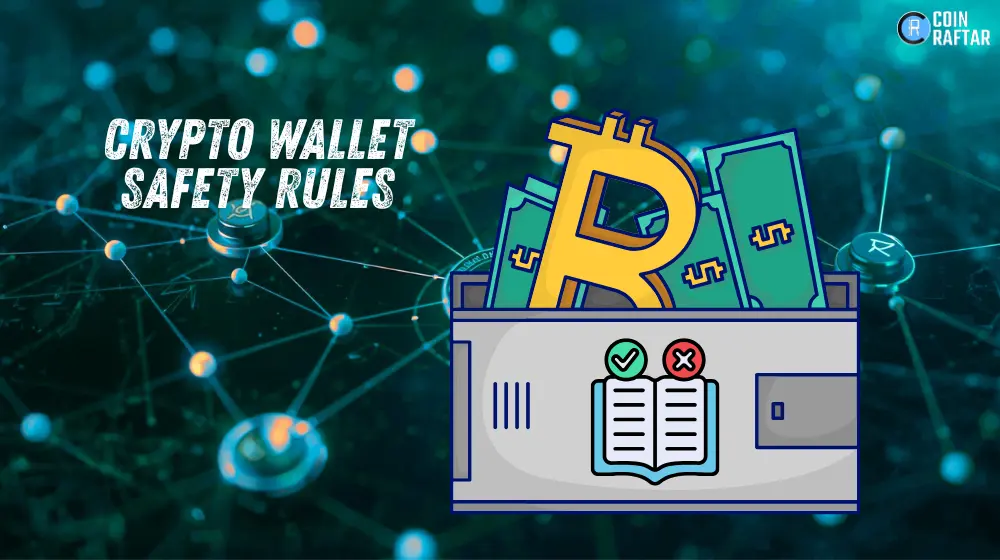
Crypto wallet security is among the most critical issues facing new users of digital assets. Unfortunately, there are many errors new users make that lead to significant losses; many of these could be avoided. The following guide outlines ten practical rules for safe use of a crypto wallet to help mitigate risks when it comes to your digital currency.
As a digital asset, they provide an element of independence and control over your assets. But with independence and control comes a large amount of responsibility for protecting your assets. The private key to your digital asset is stored in your crypto wallet; therefore you must adhere strictly to security practices from the moment that you create your account.
Understand How a Crypto Wallet Works
Unlike cash, a crypto wallet is not really a place where you can put your actual money or ‘coins’, but it stores the hardware keys required to access your wallet on the blockchain and your transactions. The private key determines whether you can complete the transaction or not.
If someone were to discover your seed phrase/private key, they would be able to access your funds without your authority, and therefore, you must safeguard and treat your wallet credentials as if they were very sensitive financial information. As such, education will be your first layer of protection against being fraudulently attacked.
Also, there is a degree of distinction in the way hot and cold wallets are able to secure your coins, as hot wallets connect to the internet and cold wallets remain offline. Each option provides a different level of convenience and security.
Secure the Seed Phrase Offline
A seed phrase is generated when you create your crypto wallet. The seed phrase is made up of 12–24 words and provides a way to fully restore your wallet.
You need to write down the seed phrase on a piece of paper and keep it somewhere safe. Taking a screenshot or saving it in the cloud increases the risk of someone stealing it from you. If you store it offline, however, the chances of being hacked are much lower.
Many scam sites try to steal seed phrases from individuals who are just starting in crypto. No legitimate site will ask for your seed phrase. You should never give your seed phrase out to anyone.
Use Strong Passwords and Two-Factor Authentication
To protect access to a wallet on devices, use a strong, unique password that includes letters, numbers, and symbols. If you reuse your password on multiple platforms, you are increasing your risk of vulnerability.
When you have enabled two-factor authentication, this provides you with a second layer of security; you must enter a second code to be able to log in. This limits your chances of someone accessing your account without permission.
Authentication methods using an app are safer than using SMS authentication, as SMS systems have been targeted by hackers through SIM swap attacks; thus, users should use app-based authentication methods.
Verify Website URLs and Avoid Phishing
Phishing attempts frequently impersonate popular trusted platforms, and the sites set up for such an attack can look like a legitimate wallet provider’s website. Users must carefully verify the address of the website before entering their credentials.
Creating an official wallet site as a bookmark on a user’s device is a way to minimize the number of times a user is exposed to a fake link. Recognizing that some types of phishing attacks have a sense of urgency should cause a user to be cautious of the email or message claiming an urgent issue.
There are many instances of crypto communities using social media to report phishing attempts (e.g., users sharing a photo to warn others that the wallet’s support message is fake); all of these instances illustrate that phishing scams are still prevalent.
Keep Software and Devices Updated
Old wallet software can create vulnerabilities in your system. Developers release updates to fix bugs and add more protection, but regular updates will also help maintain the safety of your system.
The same holds for your operating system and antivirus software. Malware targets unpatched devices, so keeping your software up-to-date reduces the number of ways an attacker can enter your system.
Automatic updates help with this process, but you should only download updates from legitimate sources. If you download updates from “fake” or unofficial websites that offer fake updates, there may be malware in the file you downloaded.
Use Hardware Wallets for Larger Holdings
A hardware wallet keeps your private keys stored offline and only connects to devices to allow you to sign transactions. This helps protect you from threats that come from being connected to the internet.
When you have a lot of cryptocurrency, it is better to keep it in a cold wallet to protect it better. Hot wallets are generally used for daily use and hardware wallets are used for long-term storage. Many cryptocurrency security experts recommend separating your funds; keeping a small amount in a hot wallet, and the majority in cold storage, in order to provide a good balance between being able to access your cryptocurrency and keeping it safe.
Avoid Public Wi-Fi for Transactions
Unencrypted public wi-fi networks are often used by hackers to intercept and obtain information from users over wireless networks. Users should use trusted and private connections to access their crypto wallets.
Using a virtual private network (VPN) increases your encrypted communications. However, it is still important to be cautious about the security of sensitive transactions, as well as to not rely solely on a VPN for security and privacy.
Many incidents of crypto wallet breaches can be linked back to using unprotected or insecure wireless networks, and it is therefore important for users to be aware of the connection to the network before using a wallet.
Double-Check Transaction Details
Once blockchains are recorded, they can’t be reversed back to how they were before the transaction took place. Once the transaction is confirmed, the user won’t be able to get their funds back unless the person or company they sent the funds to is willing to cooperate in returning the funds.
Therefore, it’s a good practice for each user to take the time to carefully verify the address of the wallet that they are sending their funds to.
Fraudsters have developed malware that changes a copied recipient’s address, leaving you confused and upset, seeing thousands of dollars in funds sent to the wrong recipient.
By ensuring that the first and last characters of the wallet address match what you are presented with, you can help protect yourself against this threat. The more time taken up front can help you avoid a financial disaster.
Another way to help guarantee that your funds go where you intended is to use small test transactions. When sending a large sum of money, consider sending a small transaction first and waiting for it to be confirmed before sending the larger amount. This can increase your peace of mind and reduce the risk of human error.
Be Cautious With Third-Party Apps
A few decentralized applications ask for permission to access your wallet, which could allow them to spend or transfer your tokens. Users are reminded to carefully review the access granted before approving.
By revoking permissions granted for formerly used applications, users can provide an additional layer of security for their wallets. Many wallet interfaces have built-in tools to allow the user to control the management of the various applications that have been connected to their wallets.
In community discussions, users are warned about potential focuses of malicious smart contracts. Users who frequently utilize a reliable source of crypto news are typically better informed regarding evolving threats.
Maintain Privacy and Limit Public Exposure
Making information about your wallets public could lead to unwanted attention. It could be that because of your high balance, you attract certain scammers. By keeping your privacy, you reduce the vulnerability to being defrauded.
Publicly available data often serves as the initial entry point for social engineering attacks. The attacker will research the victim’s social profile before attempting to engage. Limiting what you disclose financially will lower your risk of being a target.
Users of cryptocurrency should take extra caution when discussing their cryptocurrency holdings. Exercising responsible privacy will secure both your funds and yourself from possible harm.
Conclusion
Both discipline and knowledge help you ensure the security of your crypto wallets. If you follow these 10 rules, you can significantly decrease your exposure to many common threats.
Techniques such as keeping seed phrases secure, regularly, and carefully checking your transactions will help you build a solid foundation for your defence. If you own digital assets, then you have the obligation to be responsible; therefore, practicing good security habits allows you to retain your crypto for the long-term.