Key Insights:
- Hot wallets allow instant crypto transactions, making them ideal for active trading and frequent digital payments.
- Cold wallets keep crypto offline, providing high security for long-term storage of large digital asset holdings.
- Combining hot and cold wallets balances accessibility with strong protection, helping beginners manage crypto effectively.
When getting started with cryptocurrency, it’s very important to consider how to choose between hot and cold digital assets. Both methods offer storage of digital currencies, but they do so either through an internet-connected device (hot wallet) or through an offline source (cold wallet). Before choosing one method or the other, think about what will work best for you and whether you need greater protection against loss or increased accessibility to your digital assets.
What Is a Hot Wallet?
A hot wallet is a cryptocurrency wallet that is tied to the internet.
Examples include:
- Applications on your smartphone.
- Your computer desktop wallets.
- Online wallets in the form of websites.
Hot wallets are ideal in day to day usage. As an illustration, you would need a hot wallet to conduct transactions in a short and painless time if you would love to pay someone using Bitcoin or trade Ethereum regularly. They are convenient and simple to install and can be done with only a smartphone or a computer.
Nevertheless, the web connection exposes hot wallets to hacking, malware, or phishing. Novices should use strong passwords, phrases, and two-factor authentication in order to safeguard their wallets. The loss of money may be irreversible, even with small missteps such as disclosing your personal keys.
Key features of hot wallets
- Fast send, receive, or trade crypto.
- Simple installation and user-friendly.
- Perfect when doing frequent transactions.
Risks of hot wallets
- Easy to be hacked, phished, or attacked by malware.
- Strong passwords and two-factor authentication are required.
- Online sharing of private keys should never take place.
What Is a Cold Wallet?
The term “cold wallet” contrasts with hot wallets, given that cold wallets store crypto offline and out of reach of the internet (i.e., via USB drives, hardware devices, and paper wallets with your private keys).
While it is typically best to use a cold wallet for long-term storage and for larger quantities of cryptocurrency. Because it is not connected to the Internet, a cold wallet cannot be hacked remotely and thus takes away the risk of being hacked or losing your personal information due to hacking your online crypto.
The next major risk associated with cold wallets is that, because you must physically possess a cold wallet, you may lose access to all of the crypto you have stored on your cold wallet by having your cold wallet stolen or losing access to your recovery phrase.
For beginners, cold wallets may seem less convenient because there is an additional step involved in sending crypto with a cold wallet; however, for people who want to invest and save money on the Internet securely and reliably, cold wallets are an excellent choice for peace of mind.
Benefits of cold wallets:
- Highly secure against online attacks
- Ideal for long-term crypto storage
- Perfect for holding large amounts of cryptocurrency
Risks of cold wallets:
- Less convenient for daily transactions
- Losing the wallet or recovery phrase can lock access permanently
- Requires careful physical handling and backup
Comparing Hot Wallet vs Cold Wallet Security
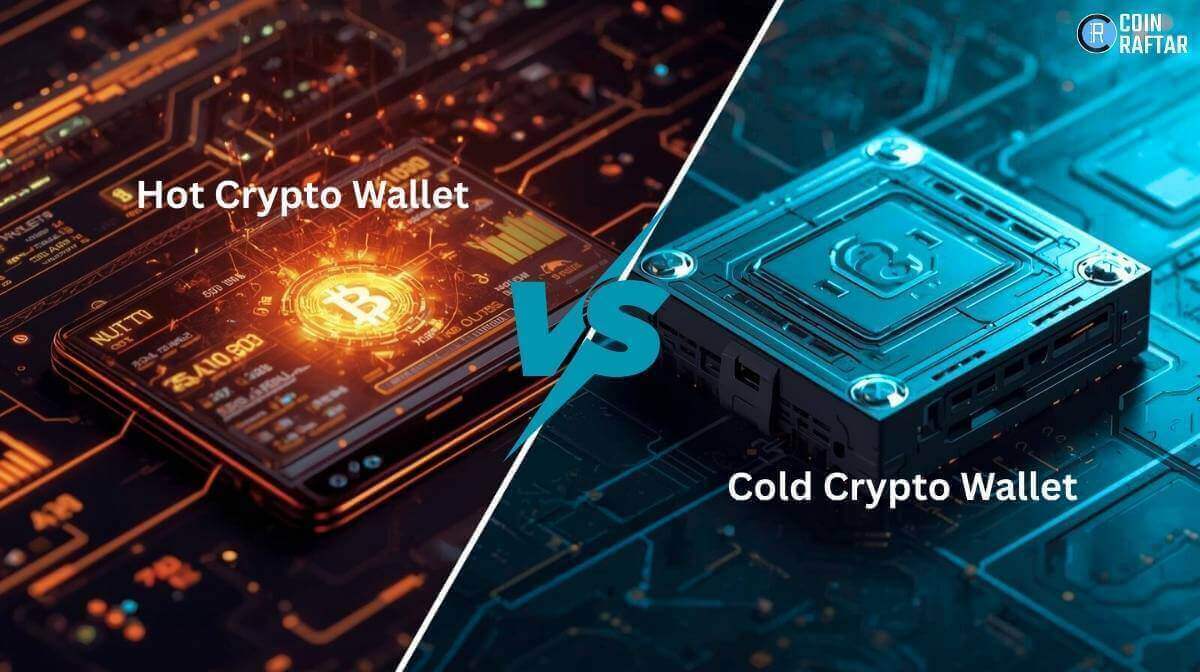
The main difference between cold wallets (offline wallets) and hot wallets (online wallets) is found in their level of security and convenience; while hot wallets offer convenience when making frequent purchases, they present a greater risk to the investor than cold wallets because of the inherent risks associated with storing funds online.
Cold wallets, on the other hand, represent safer storage from an online threat perspective. However, cold wallets also require diligence on the part of the owner so as not to lose his/her digital asset from either theft or physical loss.
For the beginner, using a combination of both types of wallets would be the most practical. An optimum method is to keep a small amount of crypto, only what you would use regularly in the hot wallet, and to use the cold wallet to store the bulk of your assets so they are securely stored for long-term purposes.
This balance will give you both the peace of mind of keeping your cryptocurrency secure as well as the capability of accessing it easily whenever needed.
Many of the professional investors consider hot wallets to be equivalent to your physical wallet; you can regularly carry around a small amount for conducting routine daily transactions; however, most of your savings will remain safely stored away in a secure vault, i.e., the cold wallet.
How to Choose the Right Wallet
Your choice of hot versus cold wallets will depend on your individual needs and how you plan to use your crypto.
Using a hot wallet for frequent trading or spending crypto can be the best option, while a cold wallet can provide additional security to hold your crypto long-term for investment purposes.
For beginner users, the use of a hot wallet with a small amount of cryptocurrency to practice sending, receiving, and managing their cryptocurrency safely is a great place to start.
Once they have some experience, they can store larger amounts of cryptocurrency in a cold wallet. This strategy allows users to reduce their risk while learning.
An additional consideration for users of either type of wallet is the safe storage of recovery phrases and backup keys.
Users who lose access to their recovery phrases or backup keys run the risk of losing their entire amount of crypto stored in a cold wallet.
Therefore, it is highly recommended to keep them in a secure location away from the internet.
Final Thoughts
If you’re planning to buy something in exchange for your crypto money, hot wallets provide easy access to your funds for quick transaction completion, while cold wallets are used to keep most of your larger holdings off the internet and away from hackers.
Therefore, using a mix of both types of wallets enables newbies to find that happy medium between convenience and safety so they can effectively manage their crypto assets with confidence!