Key Insights:
- Blockchain is making financial transactions faster, cheaper, and more secure by eliminating intermediaries.
- Once recorded, data on the blockchain cannot be altered, making it an ideal technology for secure data storage.
- Blockchain has numerous use cases beyond cryptocurrency, including supply chain management, healthcare, and digital identity management.
The existence of blockchain technology is one of the most groundbreaking technologies in recent years, especially in the finance and online transactions sector.
It is a distributed registry system, which is decentralized and tracks transactions in a manner that is transparent, immutable, and cannot be compromised.
Although the concept of blockchain is typically closely linked to the cryptocurrencies, such as Bitcoin, its use is much broader.
This paper discusses the definition of blockchain, its mechanism, and its possible effects on the different industries.
The Uniqueness of Blockchain
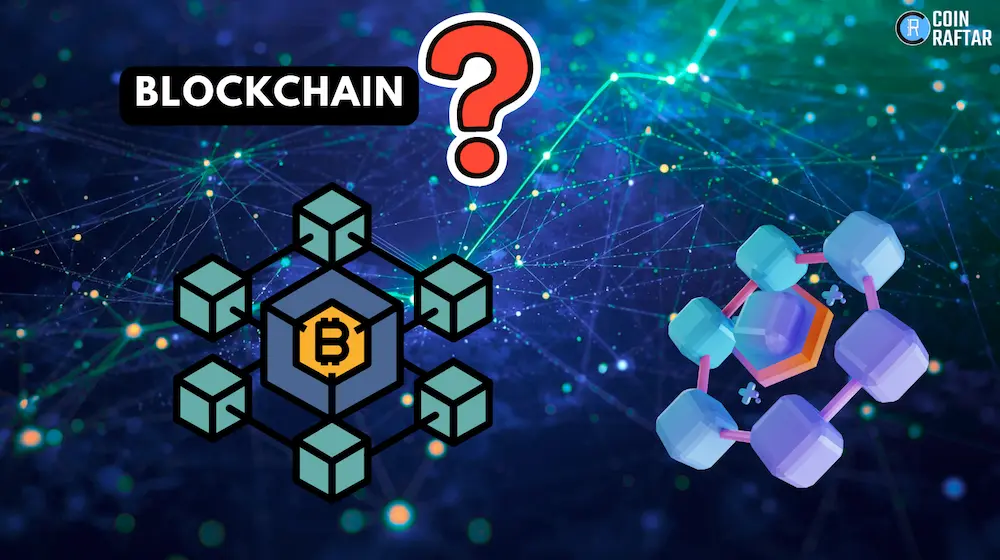
Blockchain is more of a digital registry, where data are deposited and stored in blocks, which are connected with each other by cryptographic means.
Such blocks include information like transaction logs, time stamps, and hash functions, which make the information impossible to modify when it is incorporated into the chain.
It is this aspect of permanence that has made blockchain so secure and reliable because any form of altering and manipulating a block will require altering all the further blocks, which is practically impossible.
Most database systems have a centralized system where the records are controlled by one authority in the case of a normal database. But, in the case of blockchain, the data is spread through the network of nodes (computers).
The full blockchain is stored on each network member, which means that the network will not be vulnerable to a single failure point. This decentralized system does not require the use of intermediaries such as banks, and therefore transactions are made efficient and secure.
The Basics of the Blockchain
A blockchain transaction starts with a user sending a request, which can be in the form of transferring cryptocurrency to another user. This is then sent to the network, where it will be verified by various nodes.
After the validation, the transaction is put with other transactions to form a block. This block is then connected to the current chain of blocks after encryption and connecting it to the previous block.
The new block is added via a consensus mechanism with all nodes in the network accepting the validity of the transaction. This will make all the transactions be confirmed and documented properly.
The consensus mechanism differs with the blockchain protocol. An example is Bitcoin, which has a Proof of Work (PoW) system where miners can prove and verify blocks by solving complicated mathematical problems, whereas other blockchains (such as Ethereum) have Proof of Stake (PoS).
A block is added in the blockchain, making it impossible to change it. This implies that the information stored in the block cannot be modified by anyone, including the individual that made the transaction. Blockchain is also perfect because its immutability and transparency allow it to be used in procedures where trust and security are paramount.
Blockchain Technology Applications
Although the most widespread application of blockchain is on cryptocurrencies, the applications can be extended to other industries. And now we are going to discuss some of the main applications:
Money Transfers and Payments
It is also possible to drastically accelerate the process of making payments through the use of blockchain, which can remove intermediaries like banks.
Blockchain transactions can be completed within a few seconds, eliminating transaction costs and enhancing cross-border payments. This has been useful, especially to individuals in the developing world who lack access to the traditional banking systems.
Supply Chain Management
Supply chains are a very important component of most businesses; however, they are usually inefficient and liable to errors.
Blockchain has the potential to give a clear and unaltered list of all transactions within the supply chain so that businesses can track goods in real time and validate their authenticity. This is able to decrease fraud, lessen the losses, and enhance the efficiency of supply chain operations.
Online Identity Management
The blockchain technology is being researched to develop secure and self-sovereign digital identities.
Microsoft is one of the companies that develop identity management systems based on blockchains, where they can manage their personal data. It will assist the users to keep their privacy safe, restrict the access to their information, and minimize the chances of being affected by identity theft.
Healthcare
Another field where blockchain can be used to make a transformative effect is the healthcare industry. Patient records can be stored safely using blockchain whereby they are correct and accessible to authorized persons.
It is also capable of tracking medical supplies and medications in real time, thus preventing fraud and making sure that the correct treatment is assigned to the patients.
The Business Applications of Blockchain
Blockchain has a number of benefits for companies and organizations in different fields. The following are some of the major advantages:
Time Savings: Blockchain saves time; whereas it takes days to make a transaction, it takes several minutes, as the intermediaries and manual checks are removed.
Cost Savings: Blockchain saves businesses money by eliminating the use of third-party services to audit, clearhouse, or even lawyers.
Better Security: Cryptography tools in blockchain provide data protection and resistance to alteration; thus, blockchain is exceptionally resistant to cyberattacks.
Transparency: The information is accessible to all network participants, enhancing transparency and accountability.
Difficulties and Threats of Blockchain
Blockchain is not without its challenges even though it is very promising. The scalability issue is one of the greatest risks. The system may slow down and get more costly as it has additional transactions in the blockchain.
Also, blockchain mining, especially with Bitcoin, has caused issues for the environment, as it is very energy-consuming.
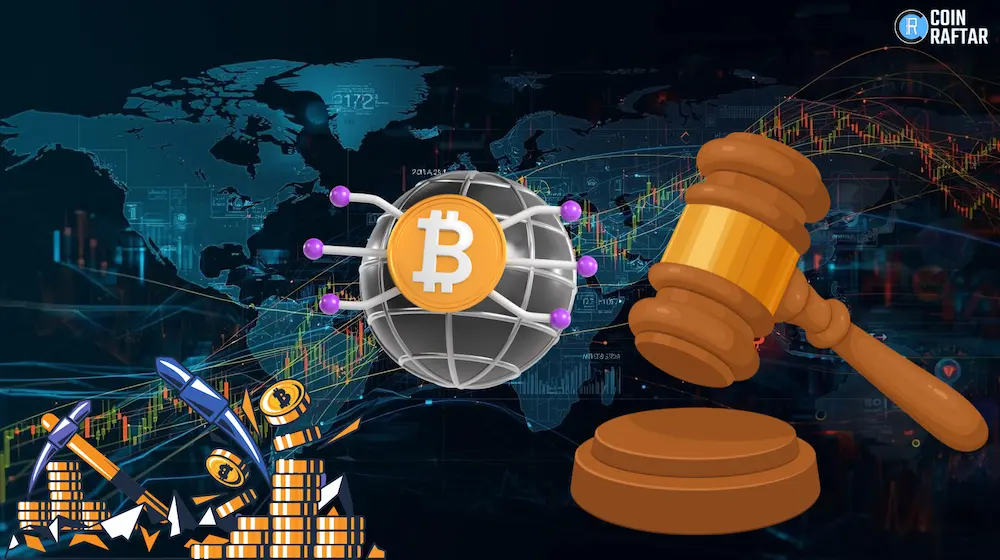
The other issue is the regulatory uncertainty of blockchain. The governments of various countries are yet to understand how to legislate transactions in blockchain and cryptocurrencies, which poses a threat to the business and investors.
Conclusion
The blockchain technology is transforming industries with safe and transparent, decentralized solutions. It remains in the developmental stages, but it can destroy the old-fashioned models of doing business and enable some new efficiencies.
With the further development of blockchain, its influence is bound to increase, and areas, such as finance or healthcare, will be transformed. Nevertheless, blockchain is a technology to be followed in the nearest future due to its advantages.