Key Insights
- SEC files consent judgments barring Ellison Wang and Singh from public company leadership
- Judgments impose five-year conduct injunctions and securities limits pending court approval.
- Criminal cases were resolved earlier due to cooperation during the trial, and the Bankman-Fried appeal continues.
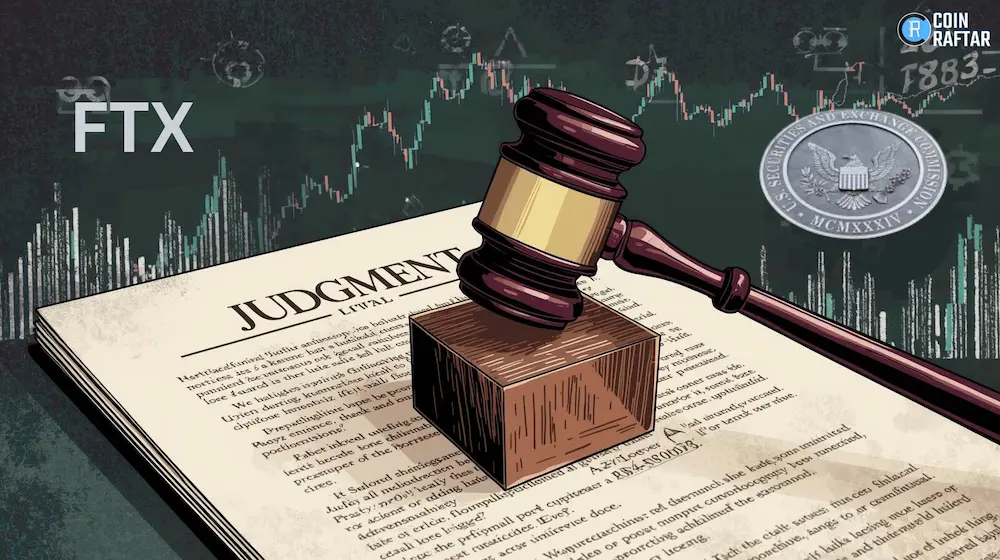
Former executives of FTX and its affiliated trading firm Alameda Research will be barred from holding leadership positions at publicly traded companies for periods ranging from eight to 10 years under proposed final consent judgments filed by the U.S. Securities and Exchange Commission.
The cases involving ex-Alameda Research CEO Caroline Ellison, ex-FTX Chief Technology Officer Gary Wang, and ex-FTX Head of Engineering Nishad Singh are based on the federal investigation of the collapse of the cryptocurrency exchange.
The agency stated that the judgments would permanently bar the three former executives from repeat violations of federal securities law, impose five-year conduct-based injunctions, and limit their service as officers or directors in publicly traded companies.
SEC Details Findings Against FTX Executives Officer-and-Director Ban
According to the SEC, the complaints claim that former FTX CEO Sam Bankman-Fried, along with Wang and Singh, implemented changes to FTX’s internal systems that exempted Alameda Research from standard risk controls. The regulator stated that Ellison had knowledge of, and consented to, those arrangements.
“In reality, as alleged in the complaints, Bankman-Fried, Wang, and Singh, with Ellison’s knowledge and consent, had exempted Alameda from the risk mitigation measures and provided Alameda with a virtually unlimited ‘line of credit’ funded by FTX’s customers,” the SEC said in its filing.
The regulator further claimed that Wang and Singh created software code that allowed customer funds held by FTX to be diverted to Alameda Research. Ellison, according to the complaints, then used misappropriated customer assets to support Alameda’s trading operations.
However, while none of the three defendants admitted or denied the allegations, they agreed to the terms of the proposed judgments, including the FTX executives’ officer-and-director ban and restrictions on securities-related activities.
Individual Sanctions and Time Frames
Under the proposed agreements, Ellison consented to a 10-year prohibition on serving as an officer or director of a publicly traded company. Wang and Singh each agreed to eight-year bans as officers and directors. All three are also subject to five-year conduct-based injunctions that limit certain activities tied to securities law compliance.
Additionally, court filings show that Ellison also agreed to refrain from participating in securities transactions outside those permitted for personal investment accounts. Similar restrictions apply to Wang under a separate filing.
According to the SEC, the bans are also in line with remedial actions pursued in civil enforcement proceedings concerning misappropriation of customer funds and internal control systems.
Criminal Proceedings and Cooperation Agreements.
The civil restrictions follow previous criminal proceedings against the same persons. Ellison had been previously convicted of wire fraud, securities fraud, and money laundering charges and was sentenced to two years in prison after pleading guilty to these offenses. She had a possible charge of up to 110 years when she went to agree on a plea bargain with the federal prosecutors.
Wang and Singh received three years of supervised release in 2024 and were avoiding prison following credit for time served, and were officially deemed innocent in 2024. U.S. District Judge Lewis Kaplan used their cooperation with prosecutors during their sentencing hearings.
Bankruptcy Proceedings and Role of Cooperation
During sentencing proceedings, FTX CEO John J. Ray III submitted statements describing Singh’s cooperation as critical to the bankruptcy process.
In late 2022, FTX and Alameda Research declared bankruptcy following a liquidity crisis that revealed the companies had substantial deficits in customer funds. Prosecutors cited the cooperation of Ellison, Wang, and Singh as the key to constructing the case against Bankman-Fried.
Bankman-Fried Sentencing and Appeal Status.
Bankman-Fried was sentenced to 25 years in prison for his role in the collapse of FTX. He is currently appealing his conviction and sentence. A hearing in his appeal was held on Nov. 4 before the US Court of Appeals for the Second Circuit.
The result of the appeal is awaited. The testimony of former FTX and Alameda executives featured heavily in the trial, with prosecutors gathering evidence on how the executives had misappropriated customer funds and the internal exemptions they had provided to Alameda executives.
Release Timeline and Custody Status
According to the Bureau, the date of release is approximately nine months before the expiry of her two-year sentence, which implies she may be eligible for good-conduct time credits.
The SEC filings did not address her custodial status but focused on the long-term civil restrictions imposed through the FTX executive officer and director ban.