Key Insights
- The UK has officially recognized digital assets as property and it gives crypto holders clear legal rights.
- The new law enhances protection for users and it simplifies the processes of ownership, recovery and dispute.
- Global regulators moving in same direction and UK aims to remain competitive in the governance of digital assets
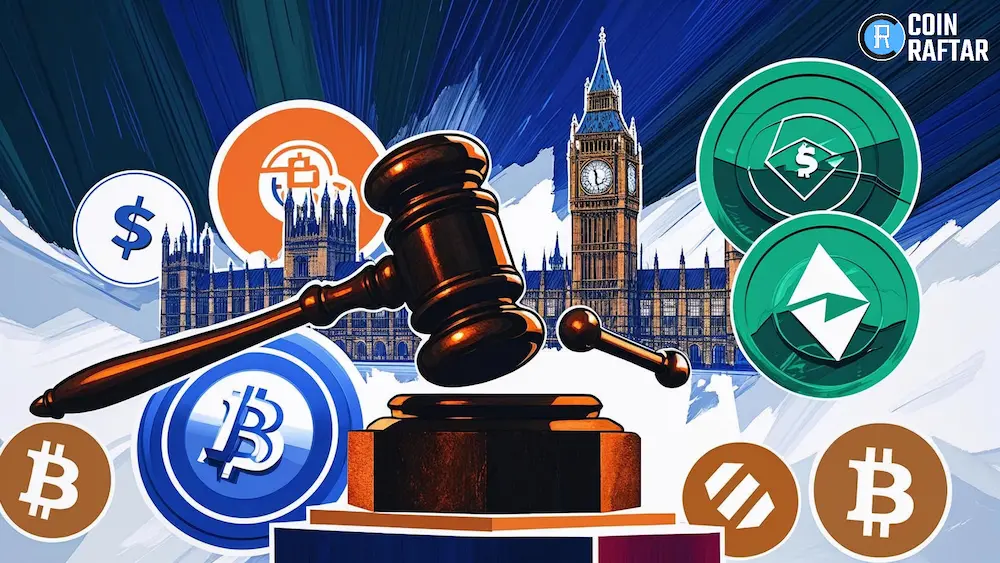
The United Kingdom has formally recognized digital assets as personal property following the royal assent of The Property (Digital Assets etc) Act. The law provides cryptocurrencies and stablecoins a defined legal category rather than having the courts come up with different rulings. Lawmakers hope the framework will eliminate uncertainty in cases involving ownership, stolen assets and insolvency processes.
Common-law rulings had already treated crypto assets as property, but the results varied from case to case. The Act consists of a third class of personal property intended for digital items that will provide a consistent basis for courts and financial institutions. The update aims to facilitate the digital holdings so that it can be identified, transferred and recovered easily which will build more confidence in the market.
UK Expands Legal Recognition to Support Market Stability
The law comes following recommendations from the Law Commission which stated that digital assets need a separate classification as the features do not fit into traditional categories. Parliament adopted the proposal to make digital items where they fall under enforceable property rights despite the fact that they are non-physical.
CryptoUK said statutory clarity will help to resolve disputes more quickly and help to improve asset recovery in cases of theft and fraud. The group added that the Act enhances processes in bankruptcies and estate transfers. Industry participants expect the legal certainty to support tokenization projects and encourage institutions to build payment, settlement, and custody products with more predictable rules.
The structure is also in line with increasing adoption of digital markets. Clear property rights minimise procedural delays and help create financial tools on the blockchain that depend on enforceable claims.
UK Accelerates Regulatory Alignment as Global Pressure Mounts
The United Kingdom is taking steps to strengthen its regulatory stance after analysts said the country’s unclear rules could erode its competitiveness. Officials are working with regulators in the United States through a group called the Task Force for Markets of the Future to coordinate oversight and market-structure approaches. Firms like Coinbase and Ripple have been receptive to the cooperation.
The government is also auditing crypto-related political funding. Leaders are considering a restriction on digital asset donations as part of broader election reforms aimed at improving transparency. The UK has witnessed the growth of crypto adoption. The Financial Conduct Authority found late last year that around 12% of adults have digital assets, up from 10% in the last survey.
Other jurisdictions are making similar changes. Russia is preparing a bill to classify crypto as property for criminal procedure purposes and Indian courts ruled that digital assets qualify as property under national law.